Integrated Master in Sustainable Agriculture and Food Science
Build a systemic view
of agriculture and food
Develop applied skills
in real production settings
Lead sustainability across
the agri-food chain
The Integrated Master in Sustainable Agriculture and Food Science is jointly offered by the Aristotle University of Thessaloniki, through its School of Agriculture and School of Chemistry—combining over 100 years of excellence in agricultural education with strong scientific leadership in food and chemical sciences. Ranked among the Top 150–200 universities worldwide in Agriculture and Top 151–200 in Food Science & Technology (Shanghai Ranking GRAS 2025), the program offers a unique academic environment that integrates science, innovation, and real-world application. With access to a 180-hectare educational farm, modern laboratories, and interdisciplinary expertise spanning from field to food, students gain hands-on experience across the entire agri-food chain—preparing them to lead and innovate in the global agri-food sector. The structure of this 5-year program allows you to develop advanced scientific expertise without the need for a separate postgraduate degree.
Xenophon, Ancient Greek philosopher
The School of Agriculture of Aristotle University of Thessaloniki is ranked among the Top 150–200 universities worldwide in both Agriculture and Food Science (QS & Shanghai Rankings)and 1st in Greece and southeast Europe
Instead of graduating with a Bachelor’s degree first, you complete a 5-year Integrated Master’s and earn a full Master of Science (MSc). This gives you a direct path to PhD studies without the need for a separate postgraduate application.
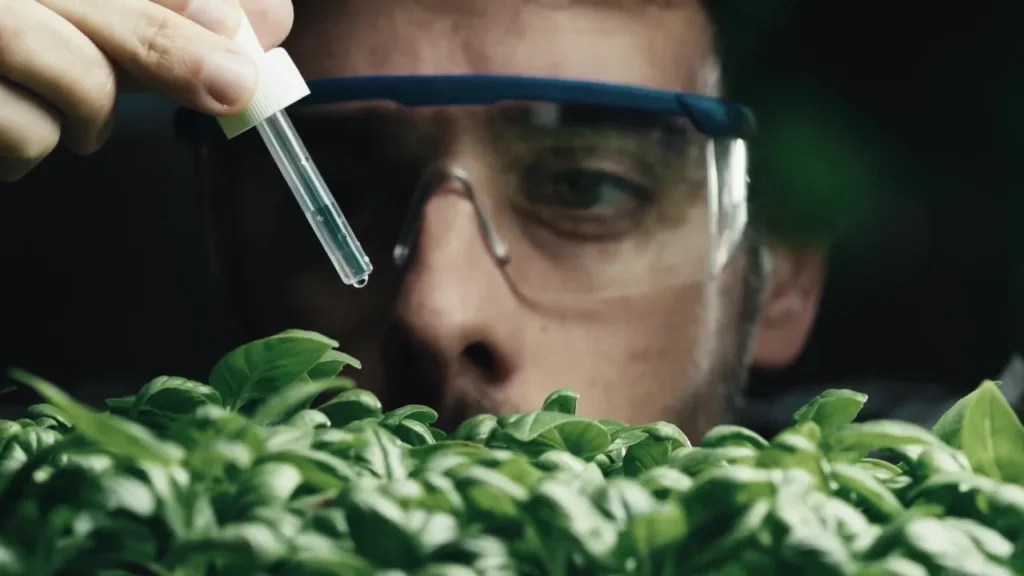
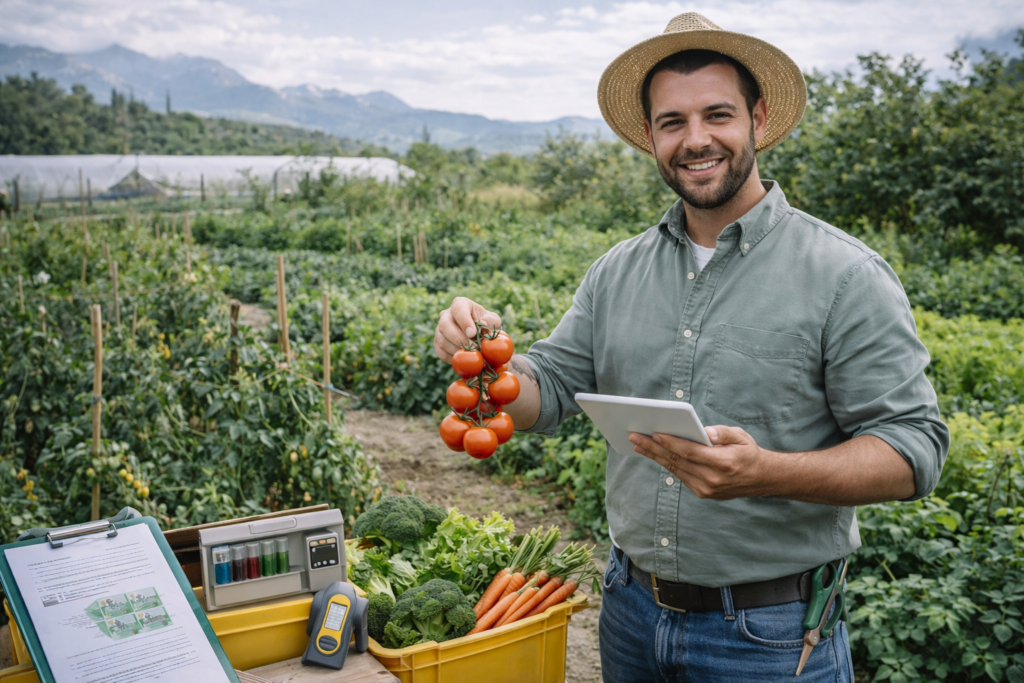
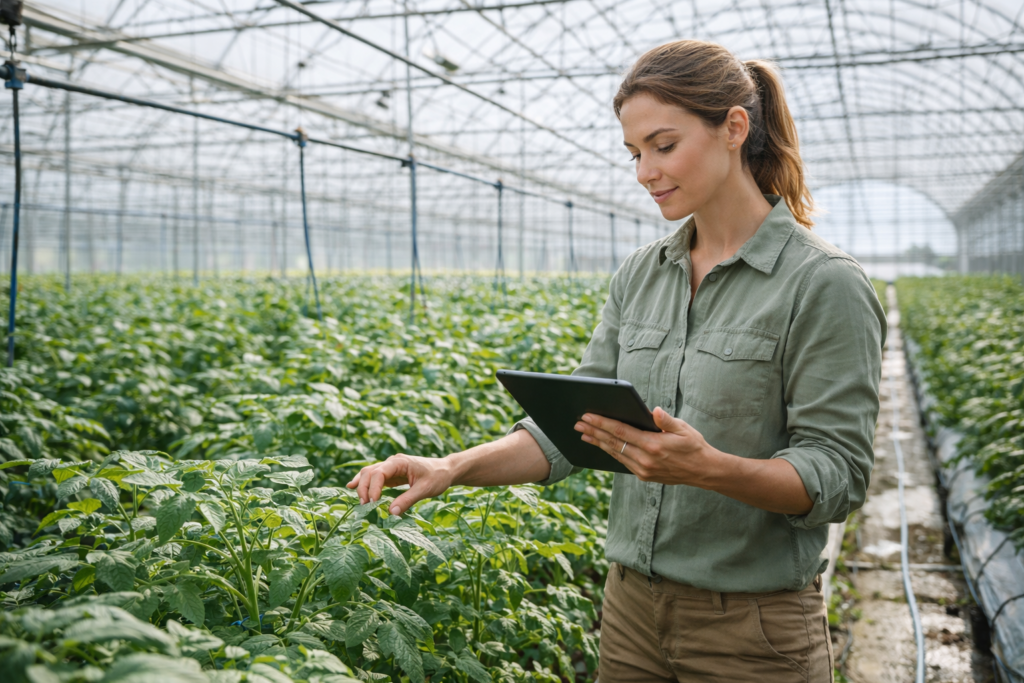
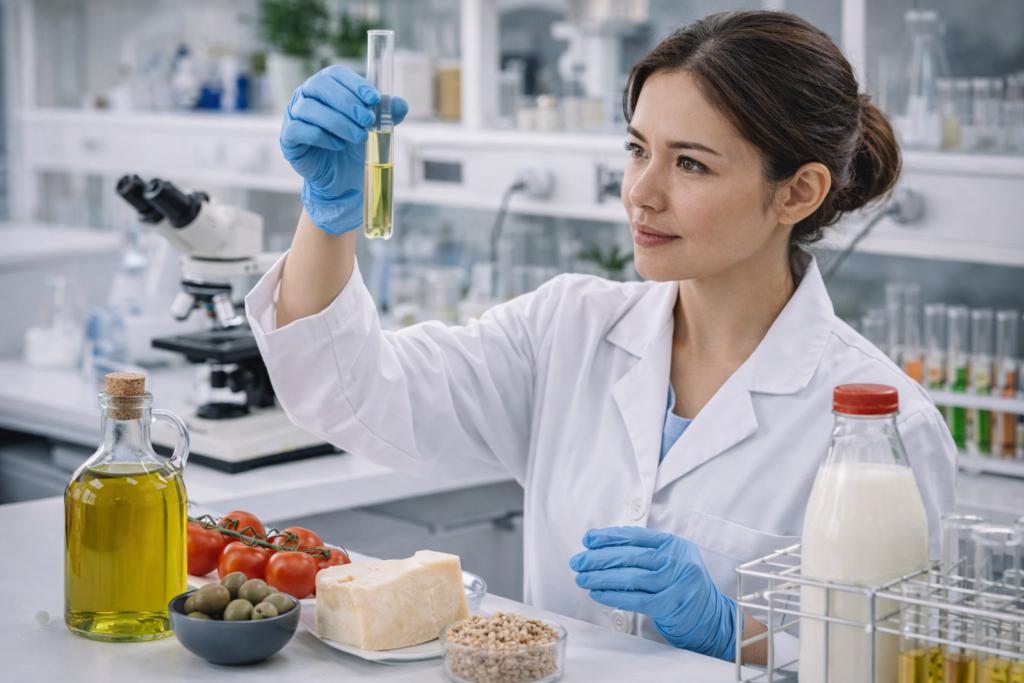
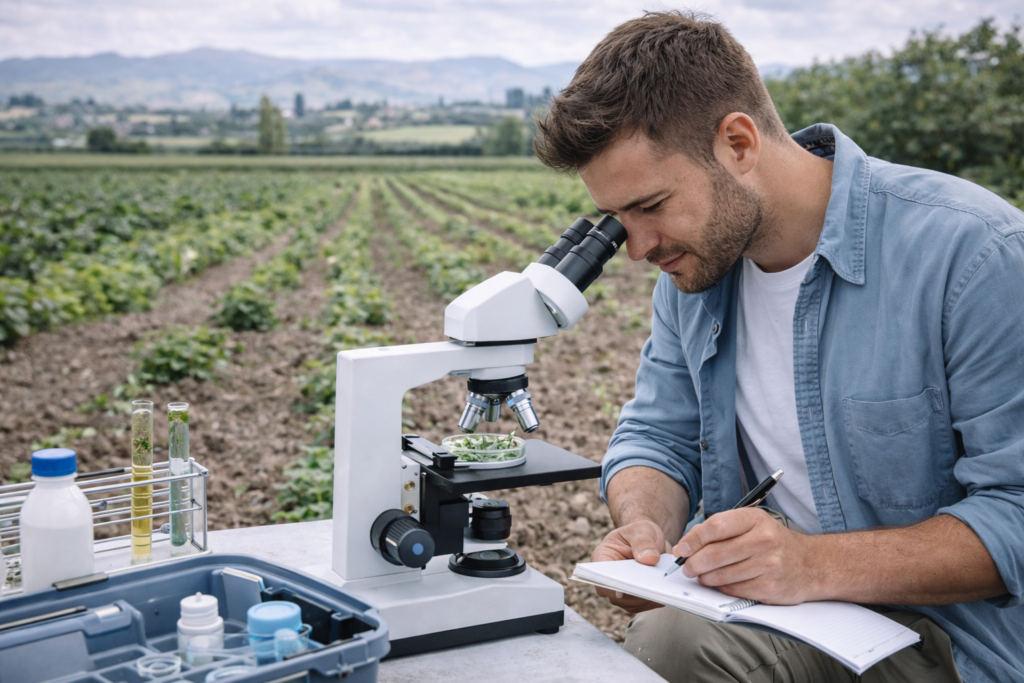
From the early semesters, learning goes beyond lectures. Laboratory work, field training, and supervised projects are part of core courses, using university farms, experimental facilities, and pilot units as learning environments. As you progress, training becomes more advanced, preparing you to work across agricultural production, food systems, sustainability, and natural resource management.
With an academic tradition approaching a century of continuous activity, the School combines long-standing expertise with modern scientific training. After completing the five-year program, graduates are academically qualified to enter doctoral studies directly and are also prepared to begin their professional careers immediately.
Unlike many 3- or 4-year bachelor’s degrees, this program leads to a 5-year Integrated Master’s degree (Level 7 EQF). You graduate with a full Master of Science qualification, giving you deeper expertise and access directly to doctoral studies, without a separate master’s application.
International recognition
Aristotle University is consistently ranked among the world’s leading universities in agricultural sciences.
Recent international rankings include:
– NTU Rankings (2024): 135th worldwide
– U.S. News Best Global Universities (2025–2026): 170th worldwide
– QS World University Rankings (2025 – Agriculture & Forestry): 151–200 worldwide and 58th in Europe
– Shanghai Global Ranking of Academic Subjects (2025 – Agricultural Sciences): 151–200 worldwide
A key learning environment is the 1,200-stremma University Farm near Thessaloniki, where students gain direct experience with real agricultural production systems.
You learn from two Schools, each bringing a different perspective. Together, they show you how sustainable production, food quality, and environmental responsibility connect in practice.
The program gives you a strong foundation in sustainable agriculture and food science.
You learn how agricultural systems produce food, manage natural resources, and respond to environmental and sustainability challenges. Below, you can explore the main areas of study that shape the program throughout your studies.
Learning in the Integrated Master in Agricultural Sciences follows a clear and progressive structure. Step by step, you build scientific knowledge, practical skills, and professional responsibility.
The program follows internationally recognised academic standards, ensuring transparency, comparability, and academic mobility across higher education systems. As a 5-year Integrated Master’s degree, it provides direct access to postgraduate and doctoral studies, allowing graduates to continue to PhD research without requiring an additional Master’s degree. Students also study within the European Higher Education Area, which supports international academic mobility through exchange opportunities such as Erasmus+. The degree combines strong scientific training with an interdisciplinary perspective on modern agri-food and environmental systems.
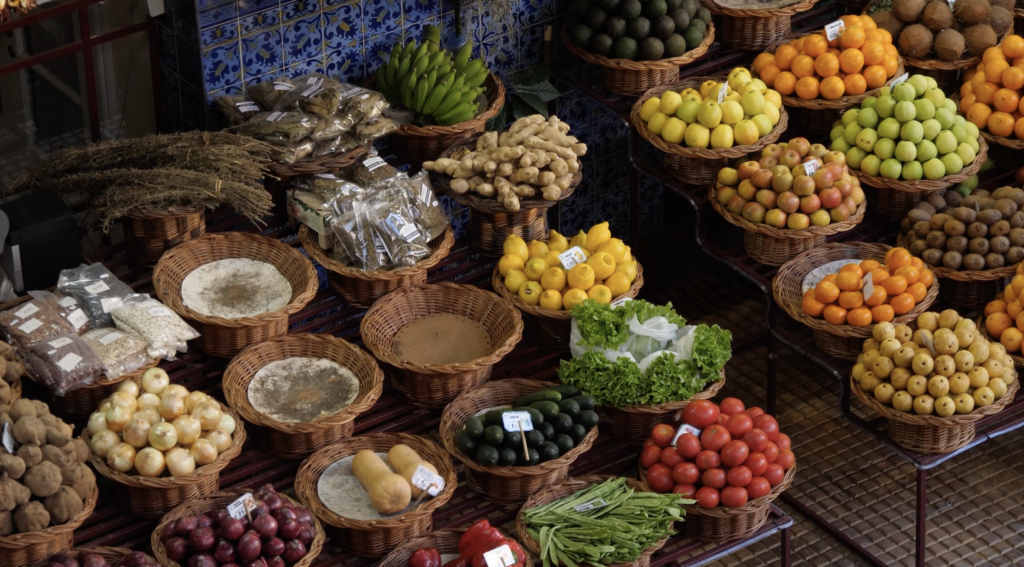
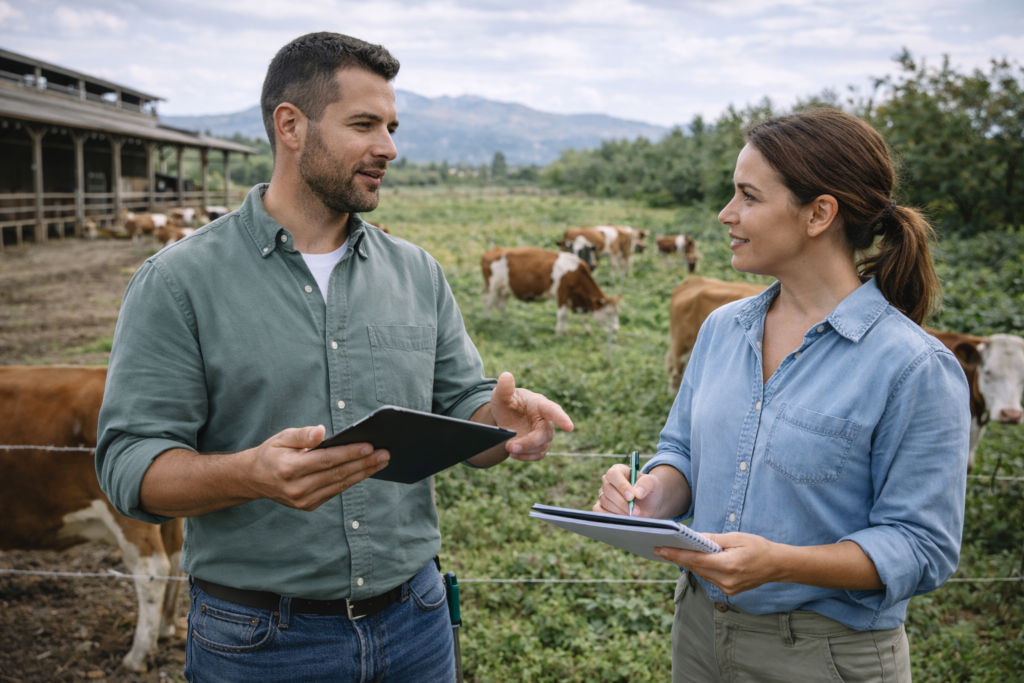
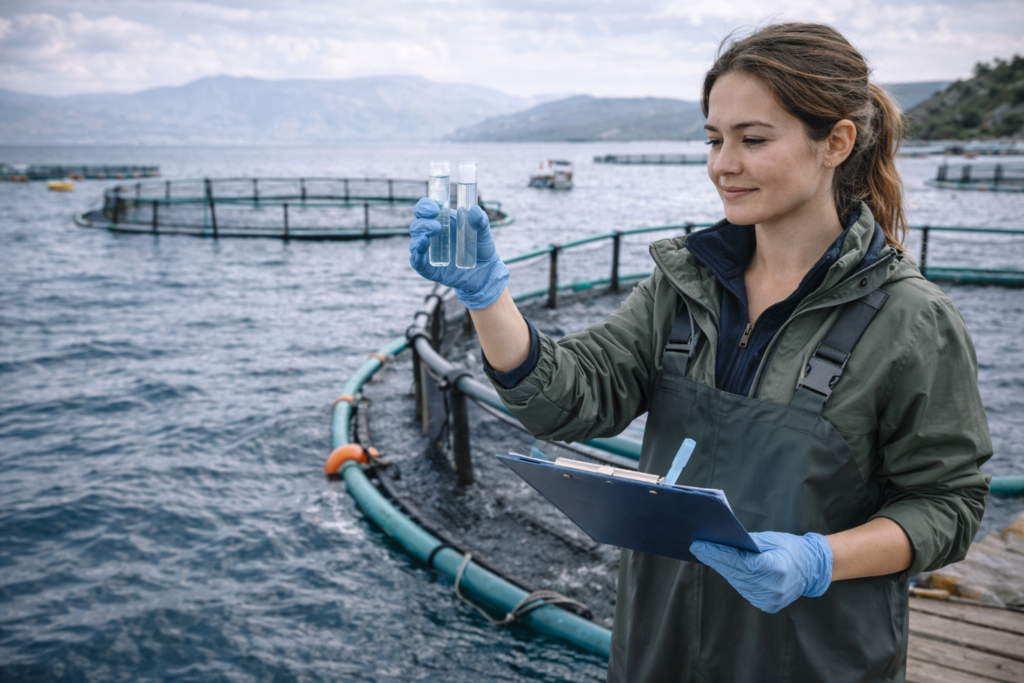
Imagine yourself working with crops, animals, and food systems. Understanding how agriculture produces food while protecting natural resources and the environment. This degree prepares you for careers in agriculture, food production, sustainability, and environmental management. You may work in farms, food industries, research centres, or organisations focused on sustainable development. You can also continue with postgraduate or doctoral studies in Greece or abroad. You graduate ready to work in environments where science, food production, and sustainability meet.


A leading university in Europe


For thousands of students each year, Thessaloniki becomes more than a place to study — it becomes part of everyday life. Located by the Aegean Sea and home to more than one million people in its wider metropolitan area, the city combines a strong academic presence with the relaxed rhythm of Mediterranean living. Traditions of hospitality and openness help create a welcoming environment for students from Greece and around the world. From the waterfront and the city center to nearby nature including Mount Olympus and the beaches of Chalkidiki Thessaloniki offers a setting where university life and everyday life naturally come together.
AU Students Win First Prize for Sustainable Wildlife Monitoring Technology
Future Agronomists in Action: Research on Intercropping Systems at AU
AU School of Agriculture Among the Top 150 Worldwide in NTU Rankings 2024
The MED GIAHS Chios Project: A Visual Documentation of Mastic Heritage
Stockton University and AU School of Agriculture: Strengthening Transatlantic Academic Cooperation
Admission
requirements
•Completion of secondary education with a recognised high-school diploma obtained abroad
• The diploma must provide access to higher education in the country where it was issued
• Completion of at least the final two years of secondary education outside Greece
• English language proficiency at least B2 level according to the CEFR
• Participation in an online interview as part of the selection process
• Evaluation of the applicant’s academic background and supporting documents by the Program Committee
Tuition fees and detailed admission requirements are available at the Program’s website.
Necessary
documents
• Application form available on the Program website
• Copy of ID card or passport
• High-school diploma (with official English translation)
• High-school transcript of the final year of studies
• Detailed grades of the final year of secondary education
• Proof of English language proficiency (minimum B2 level)
• Motivation letter (up to 500 words)
• Curriculum Vitae (in English)
Consult on the Program’s website for the documents you need to submit.
We use cookies to improve your experience on our site. By using our site, you consent to cookies.
Manage your cookie preferences below:
Essential cookies enable basic functions and are necessary for the proper function of the website.
These cookies are needed for adding comments on this website.
Google Tag Manager simplifies the management of marketing tags on your website without code changes.
Statistics cookies collect information anonymously. This information helps us understand how visitors use our website.
Google Analytics is a powerful tool that tracks and analyzes website traffic for informed marketing decisions.
Service URL: policies.google.com (opens in a new window)
