Doctor of Medicine (MD)

Gain hands-on training
Train in real clinical environments
Prepare to practice medicine globally
The Doctor of Medicine (MD) program at the Aristotle University School of Medicine (AUSoM) is built around real clinical experience. From early in your studies, you begin to see how medicine works in practice. You learn through hands-on training, early contact with real patients, and evidence-based clinical education. Through structured courses, laboratory training, and supervised practice in university hospitals, students develop strong clinical knowledge and the practical skills needed for modern medical practice.
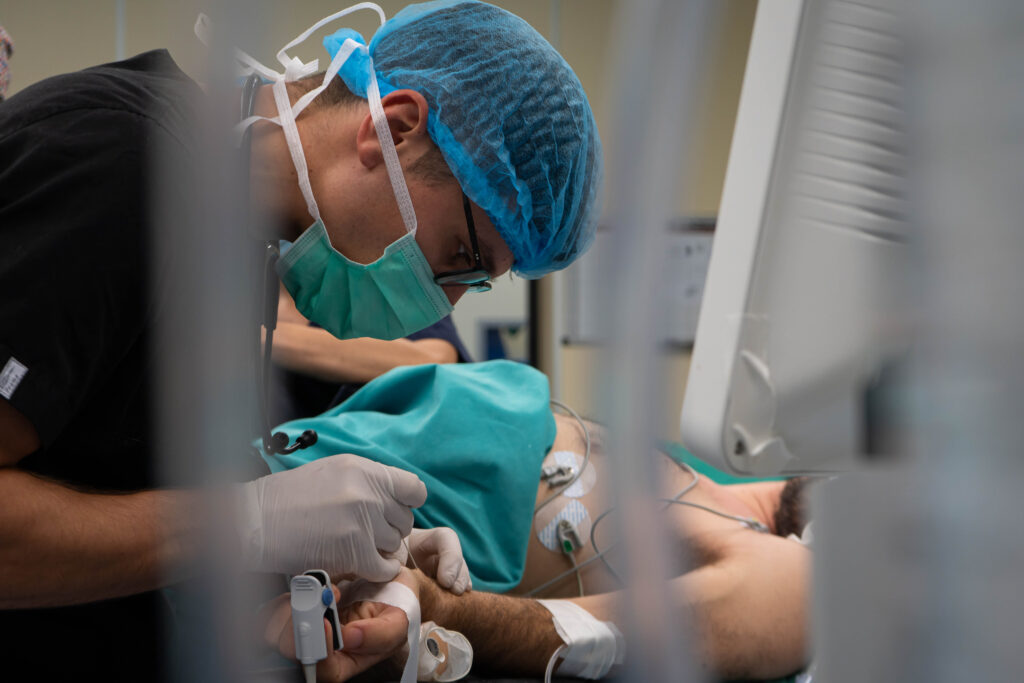
AUSoM is the largest medical school in Southeast Europe. Since 1942, more than 30,000 graduates have built medical careers around the world. Many contribute to healthcare systems, medical research, and innovation in different countries. Students study in a large academic and clinical environment, surrounded by experienced educators, physicians, and medical scientists. Here, medical education develops close to real clinical practice and within a strong community of professionals and researchers.
The MD program at Aristotle University builds on a long tradition of medical education and is delivered within a large and active healthcare environment.
The program offers:
The program gives you a strong foundation in medical science and clinical training. You study biomedical sciences and learn how they connect to patient-centred clinical practice. Below, you can explore the main areas of study that shape the program throughout the different stages of your medical education.
The MD program follows a clear, step-by-step learning structure.
Each stage builds your medical knowledge, clinical skills, and professional responsibility.
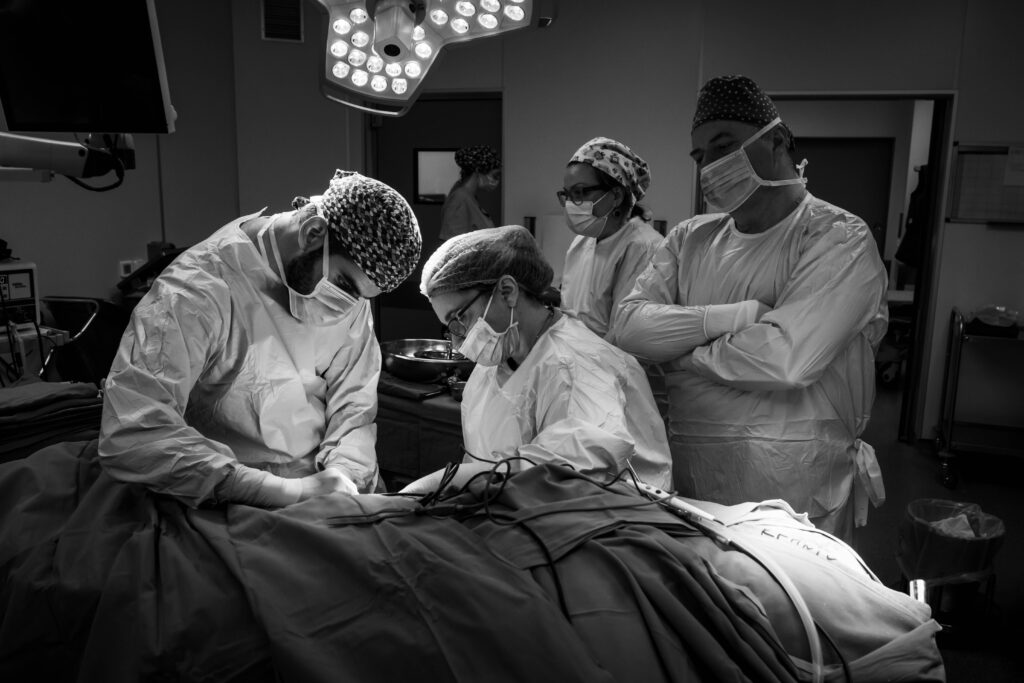
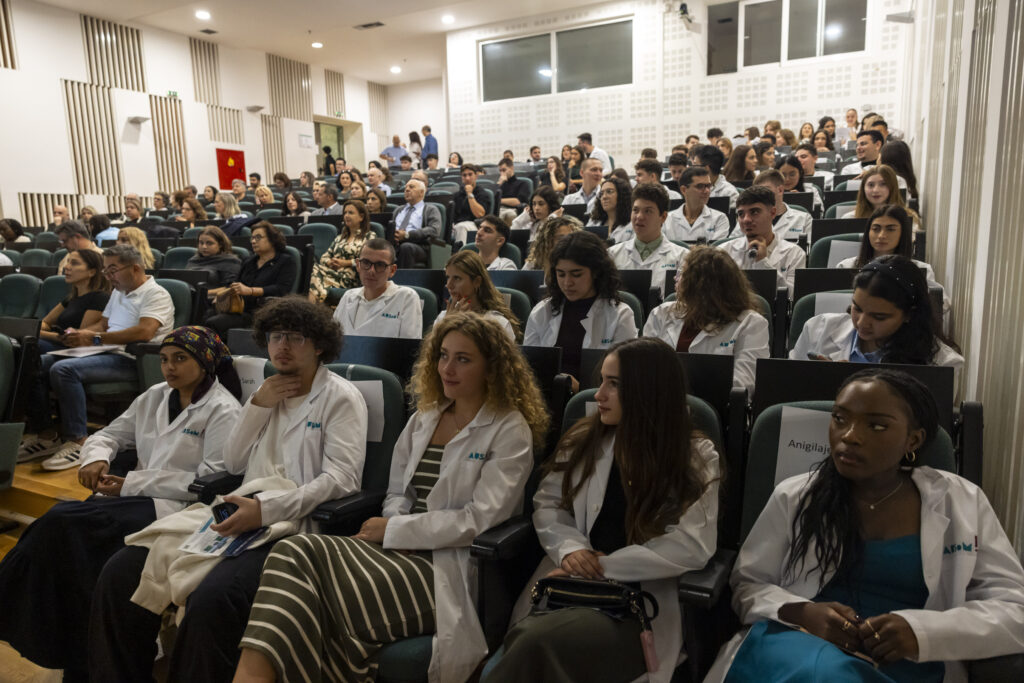
The MD degree is delivered within the framework of the European Higher Education Area (EHEA) and follows established European standards in medical education. It is an integrated long-cycle medical degree, internationally recognised as a primary medical qualification. After graduation, degree holders can pursue medical licensure and professional practice in almost every country in the world, depending on the regulatory requirements of each country. The degree also provides access to postgraduate medical training and further specialization pathways internationally. It builds on the long academic tradition of the Aristotle University School of Medicine, whose graduates practice medicine and contribute to healthcare systems across the world.
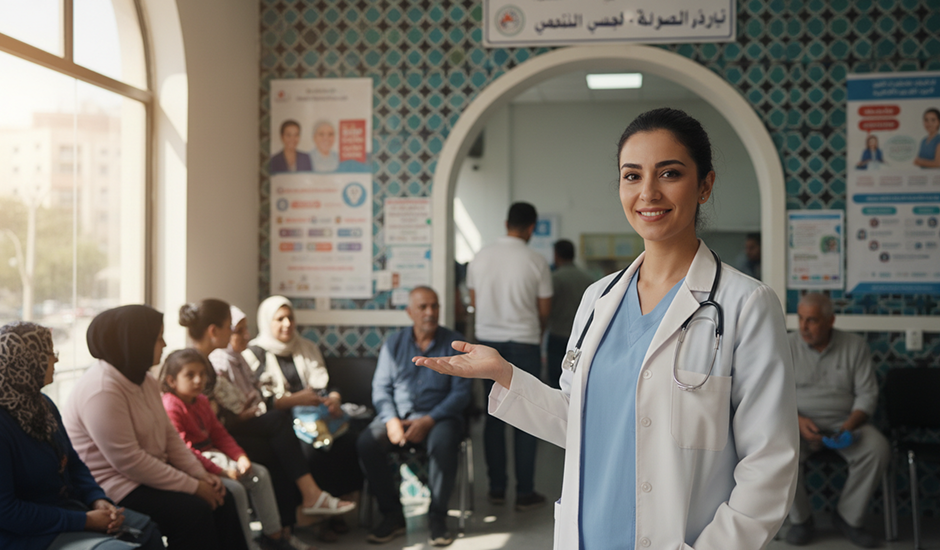
Imagine yourself examining patients. Interpreting symptoms. Making clinical decisions that shape patient care. Working with healthcare teams to diagnose, treat, and support people through every stage of care. This degree prepares you for careers in clinical medicine, healthcare systems, biomedical research, and public health. You may enter medical practice, work in hospitals and healthcare organisations, or continue with postgraduate and specialist training in Greece or abroad. You graduate ready to work in environments where science, clinical expertise, and responsibility for patient care come together.







A leading university in Europe
Studying here means learning within the European Higher Education Area and being connected to universities across Europe.


Thessaloniki offers a vibrant and affordable student environment, with a strong academic culture and connections across Europe and the Mediterranean. Located by the Aegean Sea and home to more than one million people in the wider metropolitan area, the city combines a lively student atmosphere with the character of Mediterranean life. Traditions of openness and hospitality shape everyday interactions, making it easy for students to feel part of the community. Here, university life blends naturally with the rhythm of the city — from studying and meeting friends to walking along the waterfront and exploring neighbourhoods that encourage an active and balanced way of living.
Welcome Class 2025-2026!
Georgios Tsoulfas admitted into American College of Surgeons Academy of Master Surgeon Educators®
Highlights from the 4th CEORLHNS Academy Course in Thessaloniki
Groundbreaking Epicardial Ablation for Ventricular Tachycardia Performed at Hippokration General Hospital
3rd International Conference of the Hellenic Medical Diaspora – AMF
Admission
requirements
Tuition fees and detailed admission requirements are available at the Program’s website.
Necessary
documents
Consult on the Program’s website for the documents you need to submit.
If you want to study medicine, work with real patients, and train to become a doctor, this program is built for you.
We use cookies to improve your experience on our site. By using our site, you consent to cookies.
Manage your cookie preferences below:
Essential cookies enable basic functions and are necessary for the proper function of the website.
These cookies are needed for adding comments on this website.
Google Tag Manager simplifies the management of marketing tags on your website without code changes.
Statistics cookies collect information anonymously. This information helps us understand how visitors use our website.
Google Analytics is a powerful tool that tracks and analyzes website traffic for informed marketing decisions.
Service URL: policies.google.com (opens in a new window)
