Forestry and Natural Environment (BScFNE)
Field-based training in natural ecosystems.
Hands-on experience in Mediterranean forests
Studying forests in the age of climate change
The Bachelor in Forestry and Natural Environment (BScFNE) offers a practice-oriented academic program that combines rigorous scientific training with extensive fieldwork in complex Mediterranean ecosystems. Rooted in critical environmental challenges, the program integrates applied forest management, biodiversity conservation, climate adaptation, and state-of-the-art technological tools, preparing students to address forestry and environmental challenges at a global scale.
Aristotle
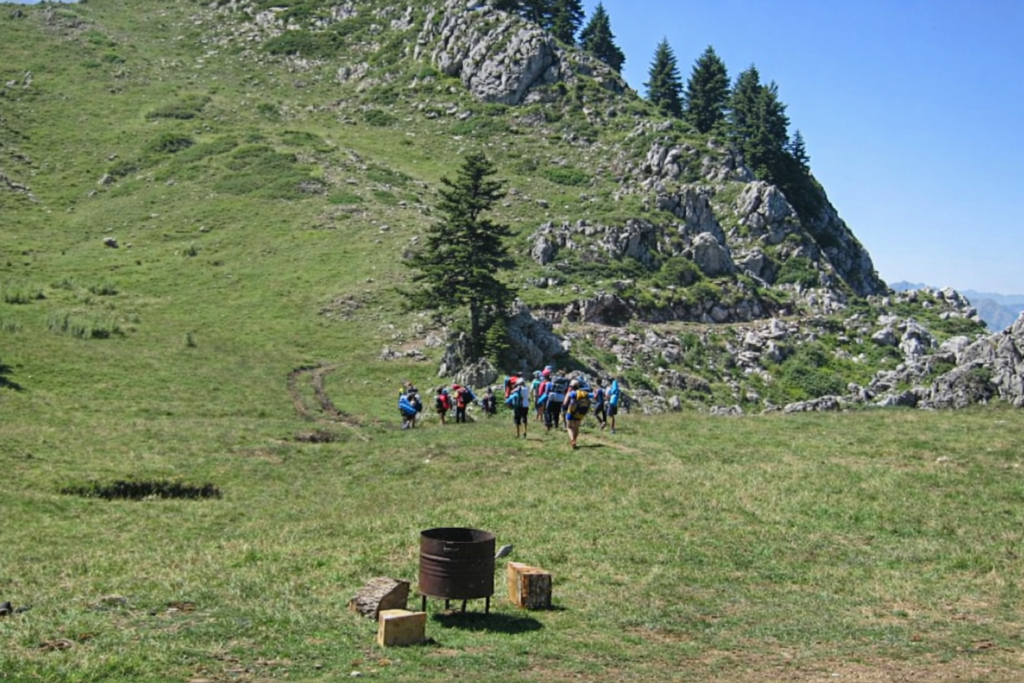
Delivered entirely in English, the Bachelor in Forestry and Natural Environment offers a practice-oriented academic program in applied environmental science and forest management. Set within the climate-sensitive ecosystems of the Eastern Mediterranean, the program provides students with scientific knowledge, field experience, and analytical skills to address contemporary forestry and environmental challenges. Fully aligned with the European Higher Education Area, the degree prepares graduates for professional roles and postgraduate studies in forestry, environmental management, and sustainability-related fields.
You explore forests and natural environments through science, field experience, and hands-on training.
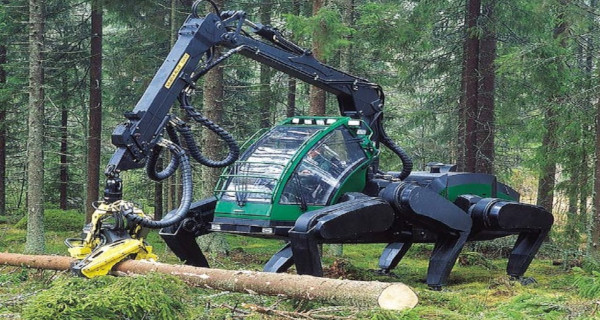
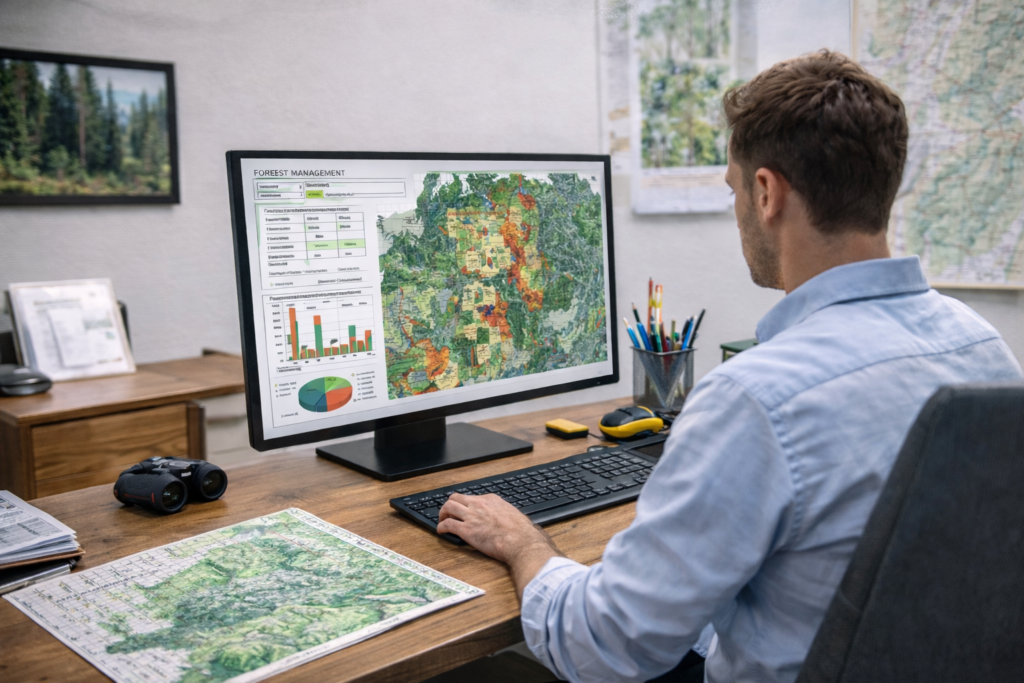
Our program provides a strong foundation in forestry and natural environment sciences, combining sustainability principles with practical research and training.
The sections below outlines an indicative thematic overview of the main study areas.
From basic science to applied forestry and natural environment protection
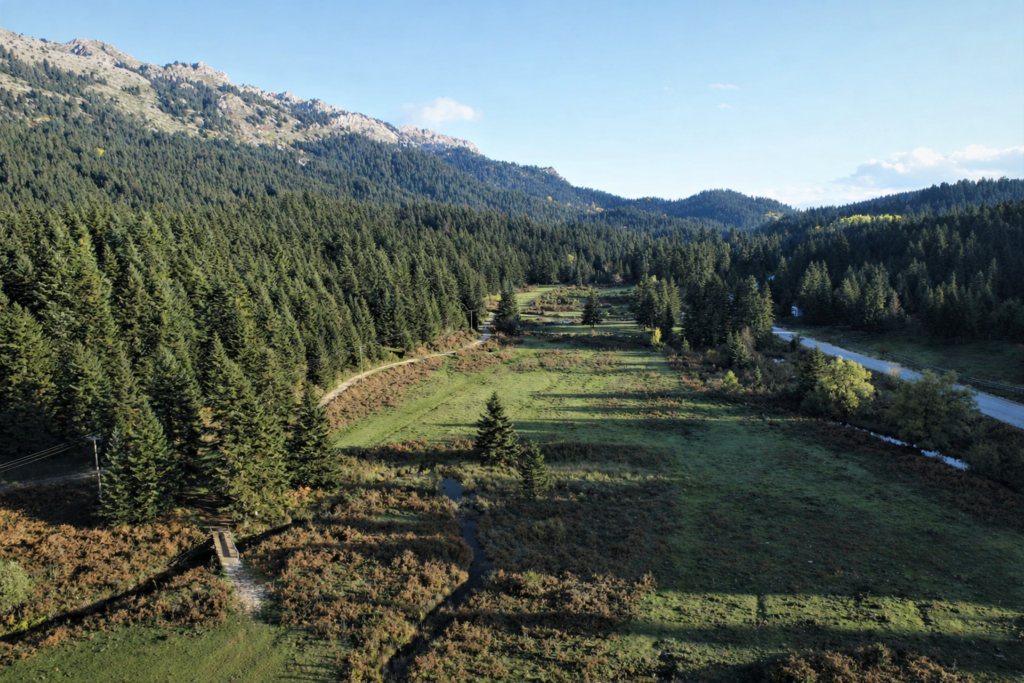
Graduates earn a degree from a highly ranked European university in forestry science, within a program uniquely focused on Mediterranean ecosystems under climate crisis conditions. Strong international networks—including ERASMUS+, IUFRO, ESA collaborations and links with FAO—prepare graduates for academic, research and professional pathways worldwide.
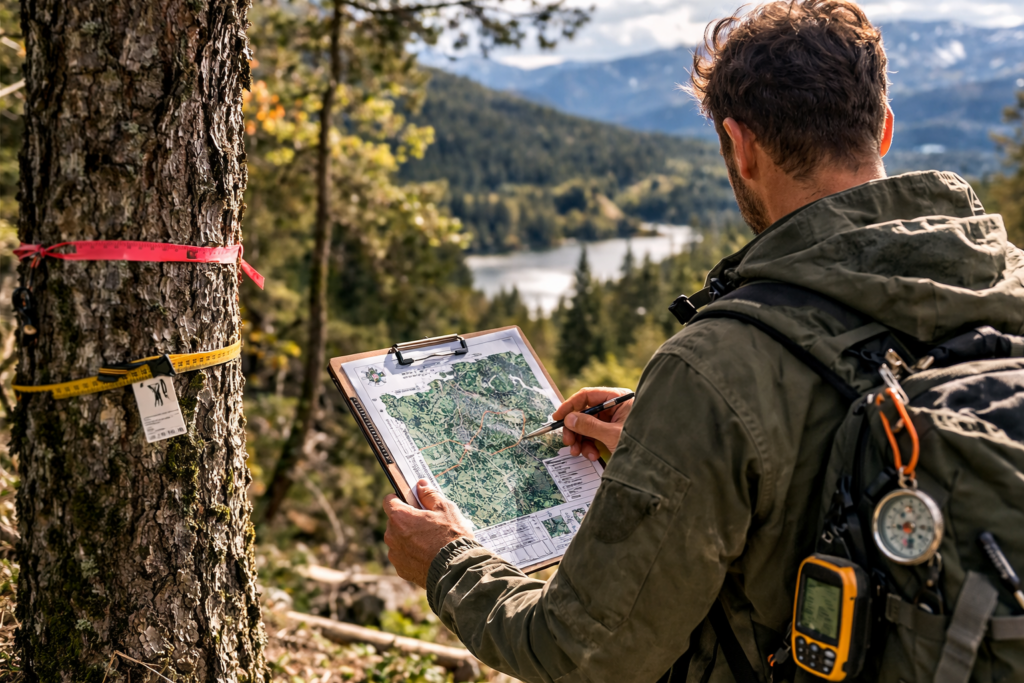
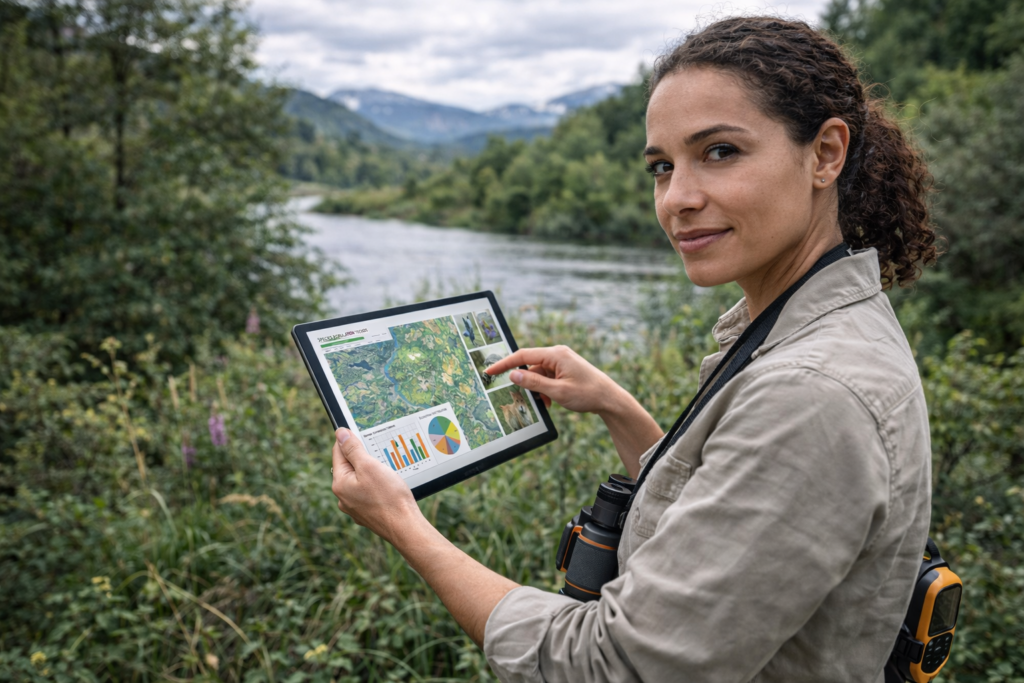
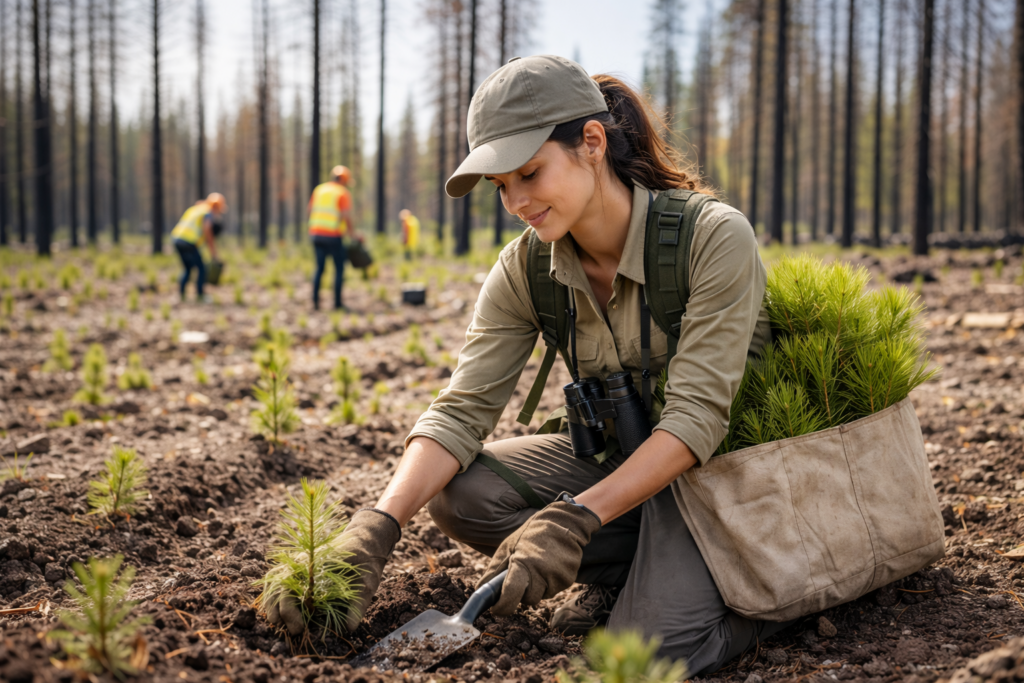
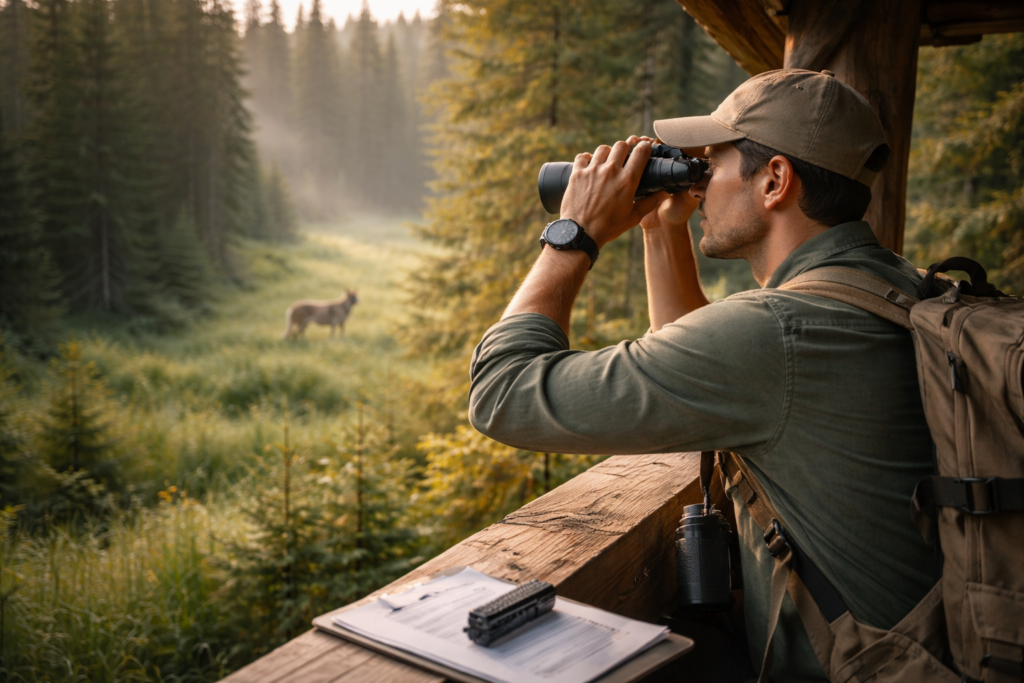
Imagine yourself studying forests and natural ecosystems. Working outdoors to understand how forests grow, change, and respond to climate and environmental pressures. This degree prepares you for careers in forestry, environmental management, biodiversity protection, and natural resource planning. You may work in forest services, environmental organisations, research institutions, or sustainability projects. You can also continue with postgraduate studies in Greece or abroad. You graduate ready to work in environments where science, nature, and environmental responsibility meet.



A leading university in Europe


For thousands of students each year, Thessaloniki becomes more than a place to study — it becomes part of everyday life. Located by the Aegean Sea and home to more than one million people in its wider metropolitan area, the city combines a strong academic presence with the relaxed rhythm of Mediterranean living. Traditions of hospitality and openness help create a welcoming environment for students from Greece and around the world. From the waterfront and the city center to nearby nature — including Mount Olympus and the beaches of Chalkidiki — Thessaloniki offers a setting where university life and everyday life naturally come together.
AU Forestry Economics Lab Presents Sustainability Results Aligned with United Nations SDGs and University Forests
Celebrating National Forestry Day for 2026
AU Participates in National Initiative to Digitise Natural History Collections
Young Shepherds in Action
World Forests Day at AU: Interview with the Head of the Department of Forestry and Natural Environment on National Television
Admission
requirements
• High-school diploma or equivalent secondary education qualification from a school based abroad granting access to higher education in the country of graduation
• Completion of the last two (2) years of secondary education in a foreign country on a full-time basis
• Alternatively, graduation from a recognised foreign school legally operating in Greece under the conditions defined by the Programme regulations
• English language proficiency of at least B2 level according to the CEFR
• Submission of a complete application file with the required supporting documents
• Participation in an online interview conducted by the Program Steering Committee
• Evaluation of the candidate’s CV, supporting documents and application file by the Program Steering Committee
Tuition fees and detailed admission requirements are available at the Program’s website.
Necessary
documents
• Application form available on the Program website
• Copy of ID card or passport
• High-school diploma (with official English translation)
• High-school transcript of the final year of studies (with official English translation)
• Certificate of English language proficiency (minimum B2 level)
• Motivation letter (up to 500 words) presenting the candidate’s interest in forestry and the natural environment and future goals
• Curriculum Vitae (in English) including studies, distinctions or relevant activities
Consult on the Program’s website for the documents you need to submit.
We use cookies to improve your experience on our site. By using our site, you consent to cookies.
Manage your cookie preferences below:
Essential cookies enable basic functions and are necessary for the proper function of the website.
These cookies are needed for adding comments on this website.
Google Tag Manager simplifies the management of marketing tags on your website without code changes.
Statistics cookies collect information anonymously. This information helps us understand how visitors use our website.
Google Analytics is a powerful tool that tracks and analyzes website traffic for informed marketing decisions.
Service URL: policies.google.com (opens in a new window)
