Orthodox Theology and Spirituality
Study Orthodox Theology at its historical heart
Explore the rich tradition of Eastern Orthodox thought
Engage with theology, history, and spiritual life
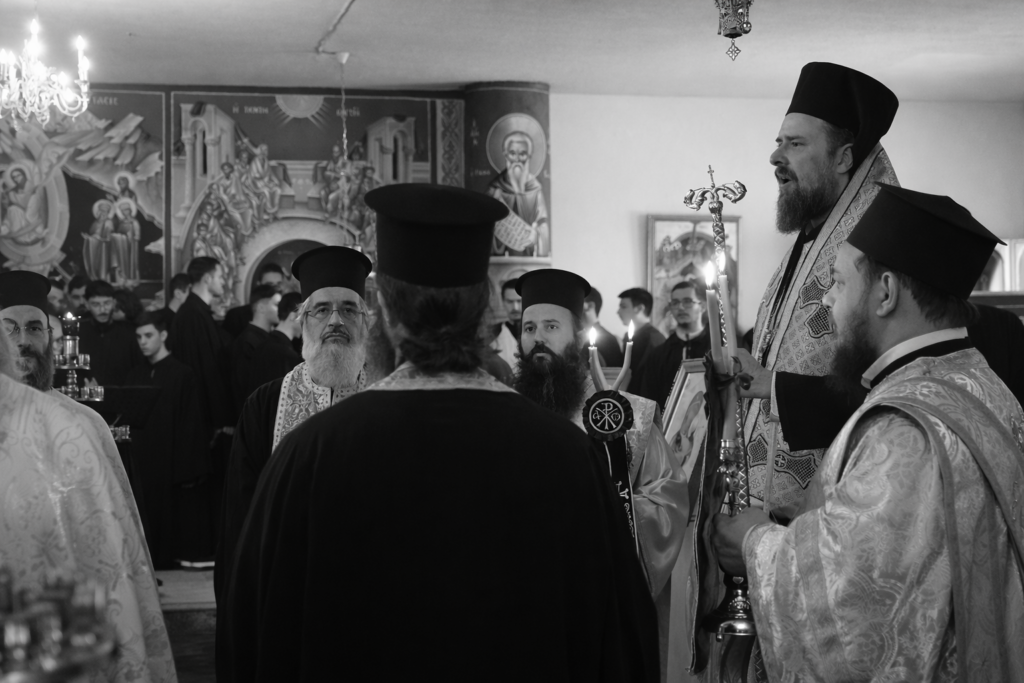
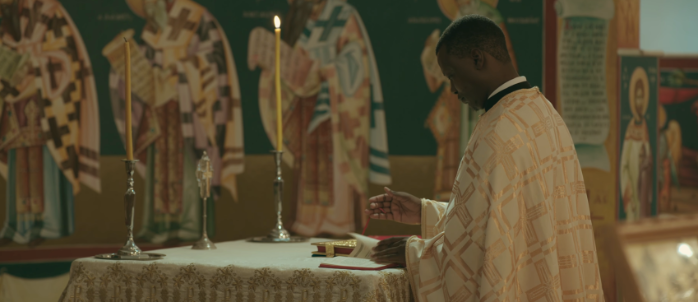
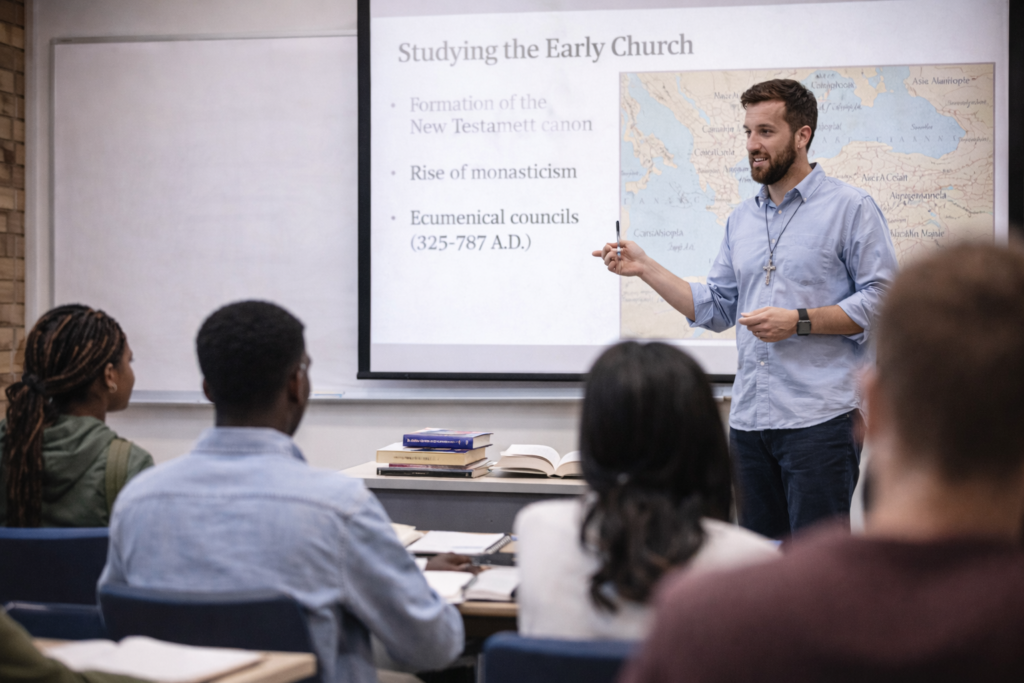
The Bachelor in Orthodox Theology and Spirituality offers an academic program focused on the study of the Orthodox Christian tradition. You study biblical texts, writings of the Church Fathers, dogmatic theology, and the liturgical life of the Orthodox Church. Through historical study and theological reflection, the program helps you understand how Orthodox theology developed and how it continues to shape Christian thought today. At the same time, the program connects traditional theological scholarship with contemporary questions and global cultural contexts.
St. Gregory the Theologian
Your studies follow a clearly structured path across 8 semesters. From the early stages, you develop the skills needed to read, interpret, and analyse theological texts and traditions. As the program progresses, you explore key areas of Orthodox theology, including dogmatic theology, liturgics, canon law, ethics, and spirituality. Through this progression, you develop the analytical tools needed to understand Orthodox theology in its theological, cultural, and social dimensions, while also engaging with contemporary global questions.
You explore Orthodox theology through its texts, history, and living tradition.
The program gives you a strong foundation in Orthodox theology and spiritual studies.
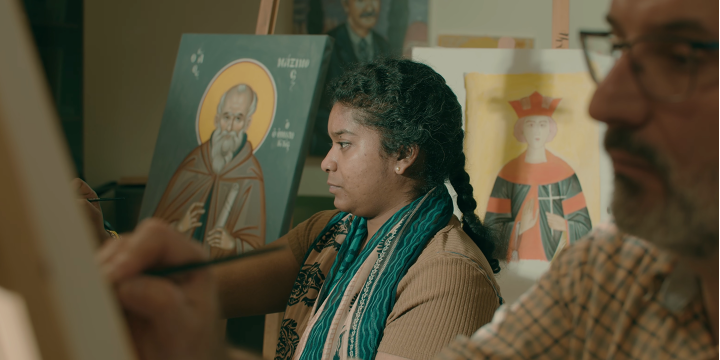
You explore Scripture, the writings of the Church Fathers, and the theological tradition of the Orthodox Church within its historical and cultural context. Below, you can explore the main areas of study that shape the program throughout your studies.
Your studies follow clearly structured stages, progressing from foundational theological learning to advanced analysis and independent research.
You graduate with a degree grounded in the long academic tradition of Orthodox theological scholarship. The program prepares you for postgraduate studies, academic research, and professional roles in international academic, cultural, and ecclesial contexts. Through international collaborations and participation in Erasmus+ exchange agreements, you have opportunities to study and engage with academic communities across Europe. Studying at one of Europe’s leading universities allows you to approach Orthodox theology within a broader global and intercultural perspective.
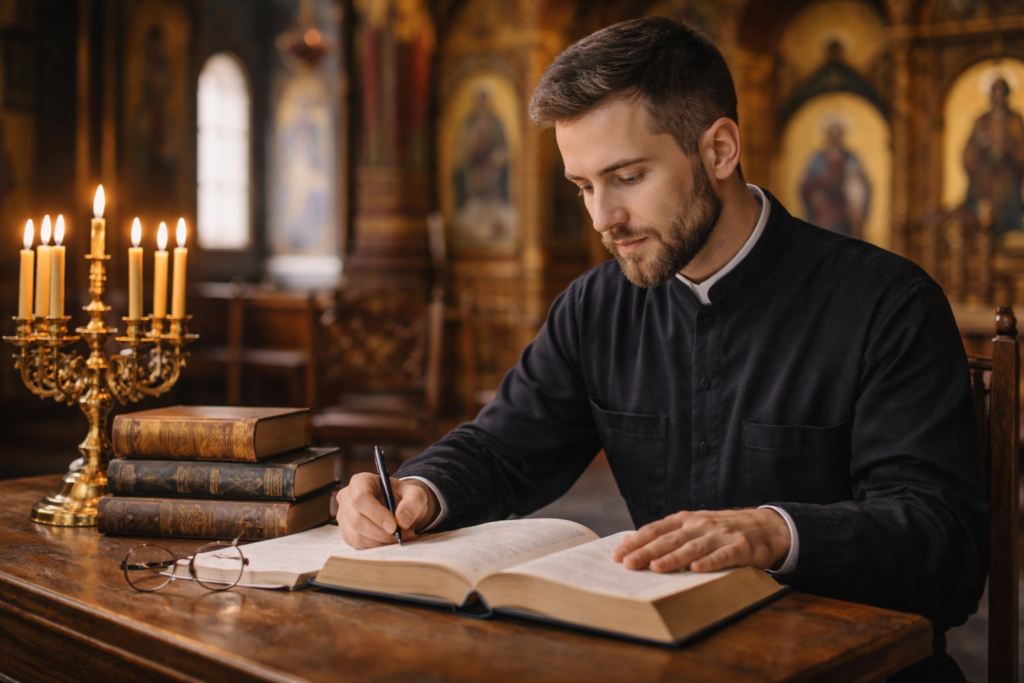
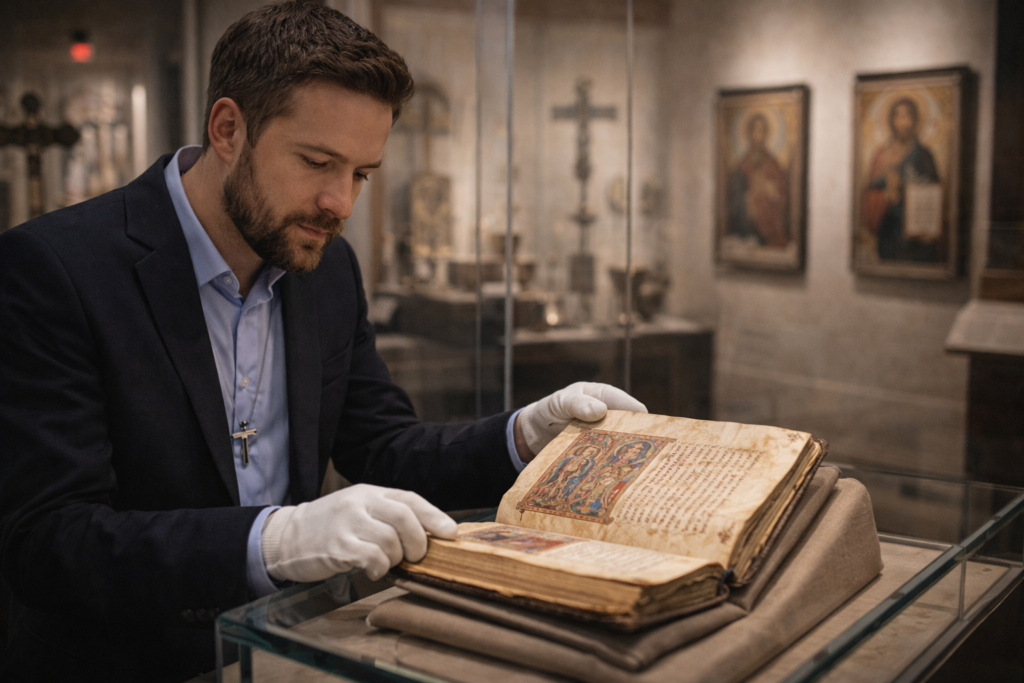
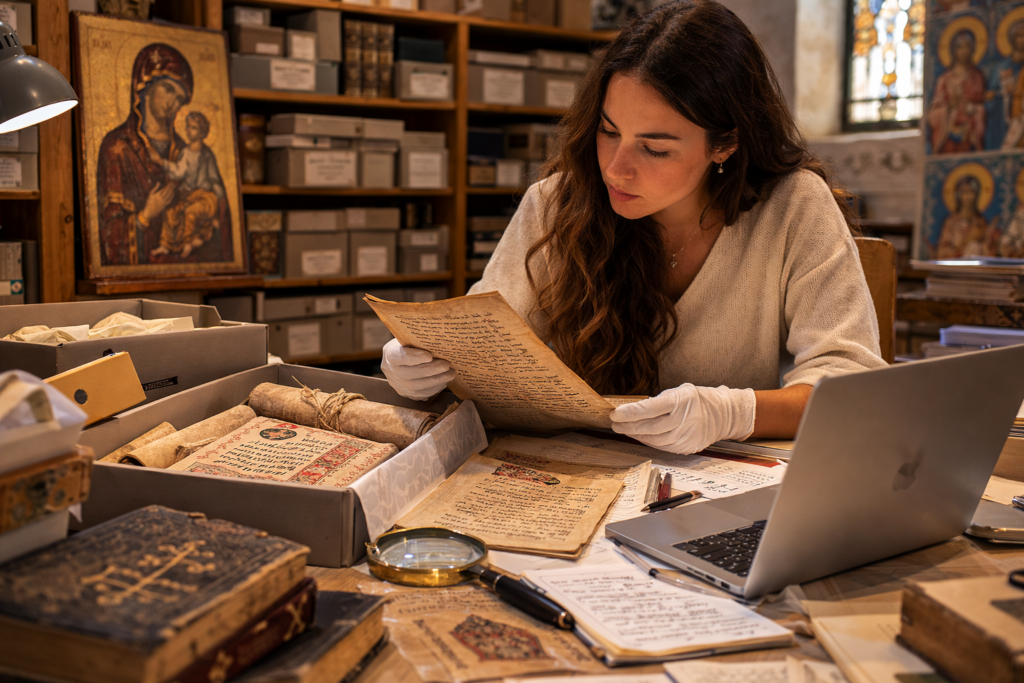
Imagine yourself studying scriptures . Exploring the writings of the Church Fathers. Understanding how theology, history, and spiritual life shape Christian thought and tradition. This degree prepares you for careers in theology, education, research, and cultural or religious institutions. You may work in schools, academic environments, or organisations connected with religion, culture, and heritage. You can also continue with postgraduate studies in Greece or abroad. You graduate ready to work in environments where theology, culture, and historical understanding meet.
A leading university in Europe
Thessaloniki is not only a vibrant student city but also a place where history and faith are deeply woven into everyday life. Often described as an open-air museum of Christian and Byzantine heritage, the city is home to some of the most important early Christian monuments in the world. Located by the Aegean Sea and home to more than one million people in its wider metropolitan area, Thessaloniki combines the energy of a modern university city with centuries of religious tradition. Historic churches, monasteries, and sacred sites shape the cultural landscape and offer students a unique environment for exploring the history of Christianity. Studying here means experiencing theology and history within a living cultural setting, where academic study connects naturally with the city’s rich spiritual and historical heritage.
Educational Visit on Missionary Theology and African Cultural Contexts
Fifty Years of Christian Missionary Witness in Africa
Artificial Intelligence and Ethics: A New Interdisciplinary Seminar
Honouring the Three Hierarchs in the Presence of the Ecumenical Patriarch
Theological Studies in Contemporary Society — An Event Marking 100 Years of AU
Admission
requirements
• High-school diploma from a recognised secondary school (Greece or abroad)
• Completion of the final two years of secondary education
• English language proficiency (minimum B2 level)
• Submission of a complete application file
• Participation in an online interview
• Evaluation of the applicant’s academic background and overall application
• (If required) additional assessment in theology and/or English
Tuition fees and detailed admission requirements are available at the Program’s website.

Necessary
documents
Consult on the Program’s website for the documents you need to submit.