Bachelor & Diploma with Integrated Master in Materials Science and Engineering
Train as a materials scientist & engineer
Learn how materials are built and how they perform
Design materials for real-world technologies
The Materials Science and Engineering program at Aristotle University offers an interdisciplinary education focused on understanding and designing the materials used in nanotechnology, additive manufacture, bio-engineering, sustainability and circular economy. You graduate with a Bachelor degree (240 ECTS) or a Diploma with Integrated master degree (300 ECTS) aligned with the European Higher Education Area and the Bologna Process. This program is delivered jointly by three Schools at Aristotle University: Chemistry, Physics and Mechanical Engineering.
Through laboratory work engineering approaches, field training, computational modelling and project-based learning, you develop the knowledge and skills needed to understand and design advanced materials for environmental, energy, cultural heritage and health challenges at local, regional, and global scale.
Aristotle
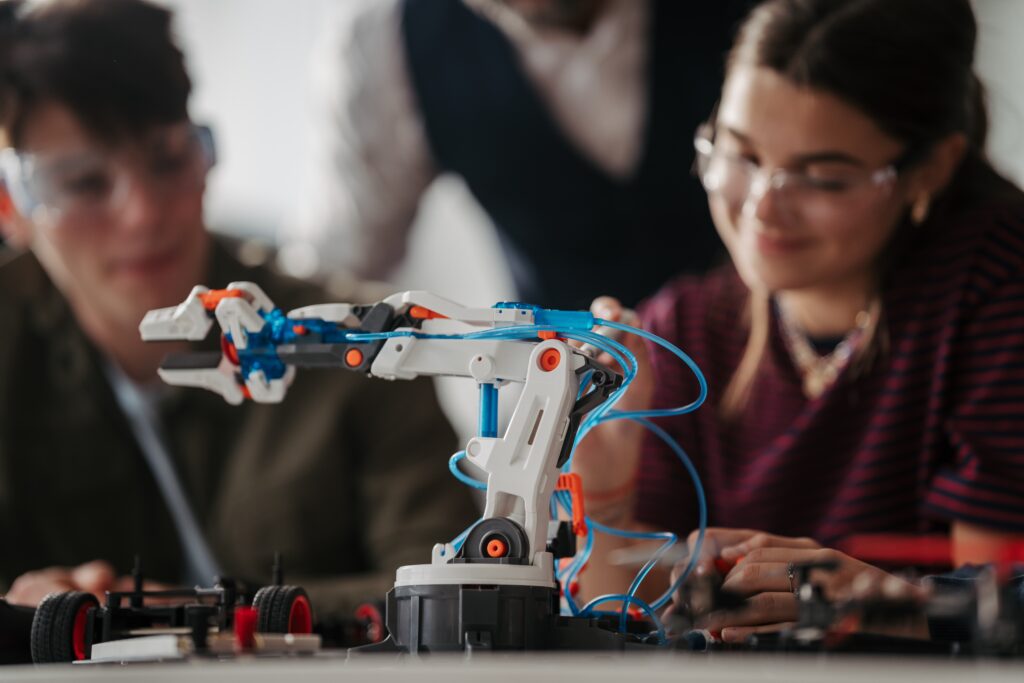
Students move from foundational laboratory training to applied materials engineering. In the early semesters, they build strong foundations through experimental work and materials characterisation. As their studies progress, they explore different classes of materials and use computational tools to analyse how they behave. Learning connects chemistry, physics and engineering perspectives. Later, they work on projects based on real materials systems and explore sustainability and circular economy principles.The 4 years program provides a strong background in science and engineering aspects of materials. Those continuing to the five-year program will pursue additional engineering courses and a two-semester diploma thesis (Integrated Master), strengthening their research and professional skills.
This program builds on the long-standing academic and research strength of Aristotle University in chemistry, physics and engineering. You study in an environment supported by advanced laboratory infrastructure and an interdisciplinary scientific community.
At AU, you gain:
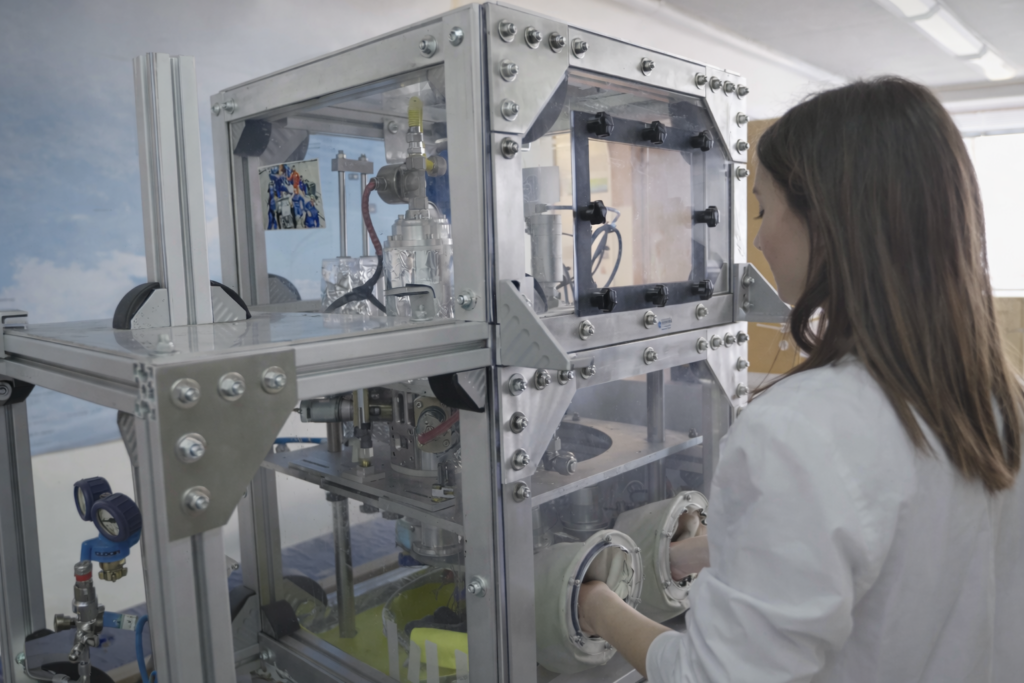
You learn from three Schools. Each brings a different perspective.
Together, they show you how materials are designed, studied, and applied in modern technologies.
The program offers a strong foundation in materials science and engineering. You learn how materials are structured, how their properties are controlled and improved, and how they are used in technologies that shape modern industry and everyday life. Below, you can explore the main study areas that shape your studies.
Your learning follows a clear structure that moves from scientific foundations to applied materials engineering.The program lasts either 4 years with bachelor degree (240 ECTS) or 5 years (300 ECTS) with a Diploma with integrated master.
Laboratory-based learning across core sciences
You begin with laboratory and computational training in chemistry, physics and mechanical engineering. From the early semesters, you develop analytical, experimental and modelling skills using scientific instruments, characterisation techniques and engineering software tools.
Experimental and applied materials training
Learning moves from fundamental experiments to applied materials testing, processing and characterisation across structural, functional and advanced materials, connecting theory with real technological applications.
Project-based and problem-driven learning
As you progress, you work on interdisciplinary projects that combine scientific understanding with engineering design, sustainability considerations and performance optimisation in real materials systems.
Gradual increase in complexity and integration
Courses become more advanced over time, connecting structure, properties, processing and design within a coherent interdisciplinary framework.
Competency-based academic progression
Progress in the program depends on successfully completing defined academic requirements. If you take the option of diploma with integrated master your studies conclude with a mandatory two -semester Diploma Thesis (30 ECTS), with either a research-oriented or applied focus.

You have two options. Either a 5 year Diploma with Integrated Master in Materials Science and Engineering (300 ECTS), aligned with the European Higher Education Area (EHEA). Or you complete 4 years of study and graduate with a Bachelor degree (240 ECTS). The five-year degree corresponds to Level 7 of the European Qualifications Framework, supporting professional recognition within the European Union and access to postgraduate and doctoral studies. The integrated structure helps you build both strong scientific foundations and applied engineering knowledge, preparing you for further studies, research or professional roles in materials-related fields across Europe and internationally.As part of this European academic framework, you may also participate in student exchange opportunities such as the Erasmus+ program, gaining international study experience during your degree.
Imagine yourself designing new materials. Testing how they behave under real conditions. Understanding how materials make modern technologies possible. This degree prepares you for careers in materials science, engineering, manufacturing, and technology development. You may work in research laboratories, industrial production, technology companies, or innovation centres developing advanced materials. You can also continue with postgraduate or doctoral studies in Greece or abroad. You graduate ready to work in environments where science, engineering, and technological innovation meet.
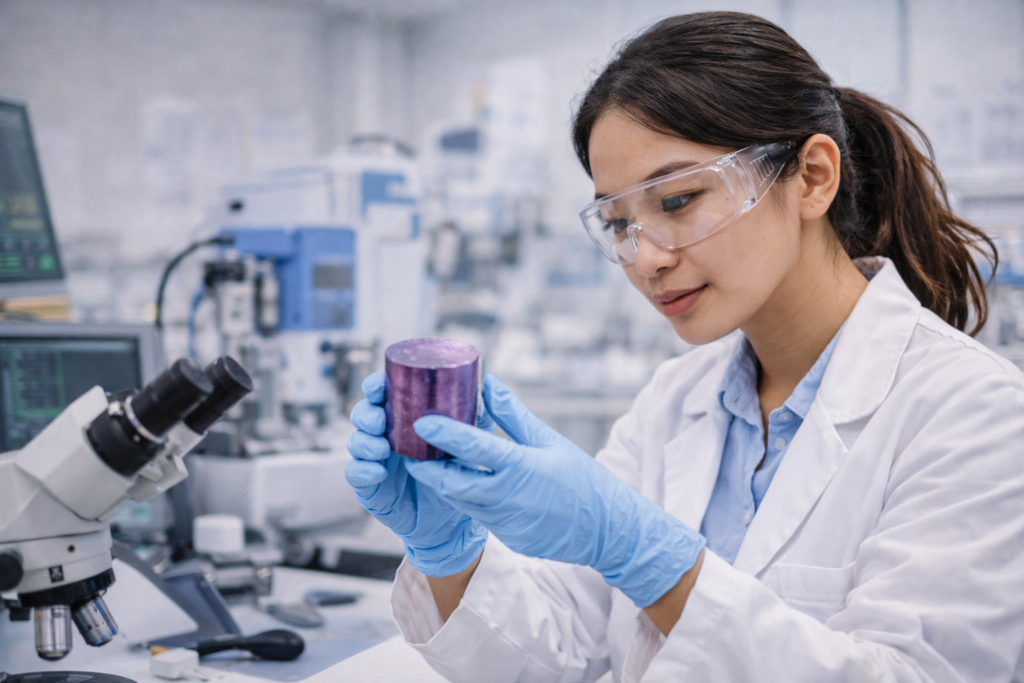
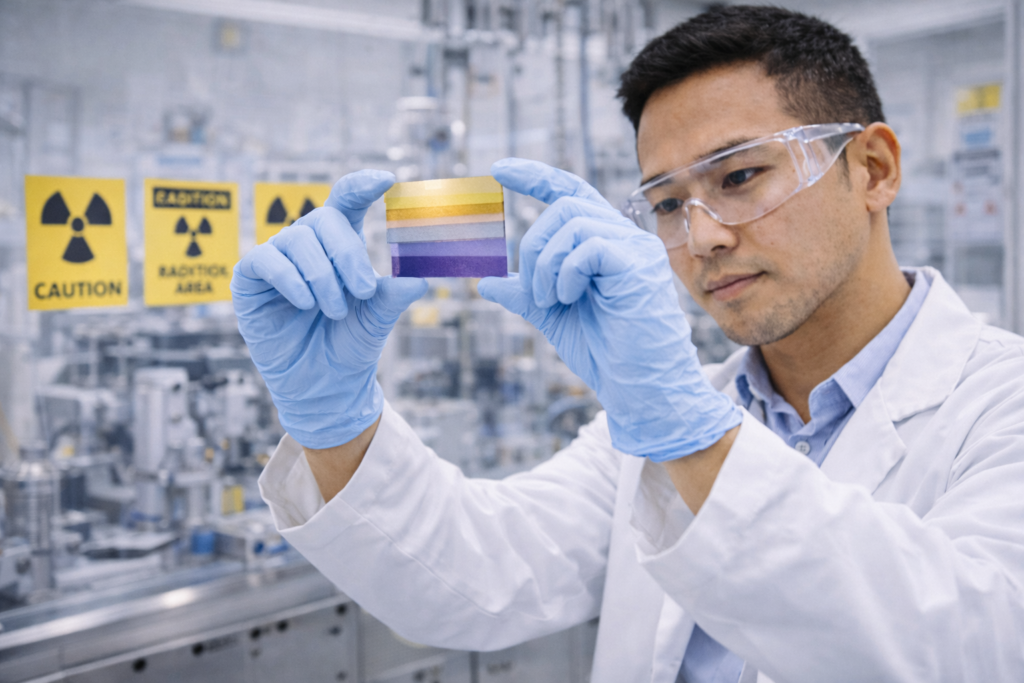
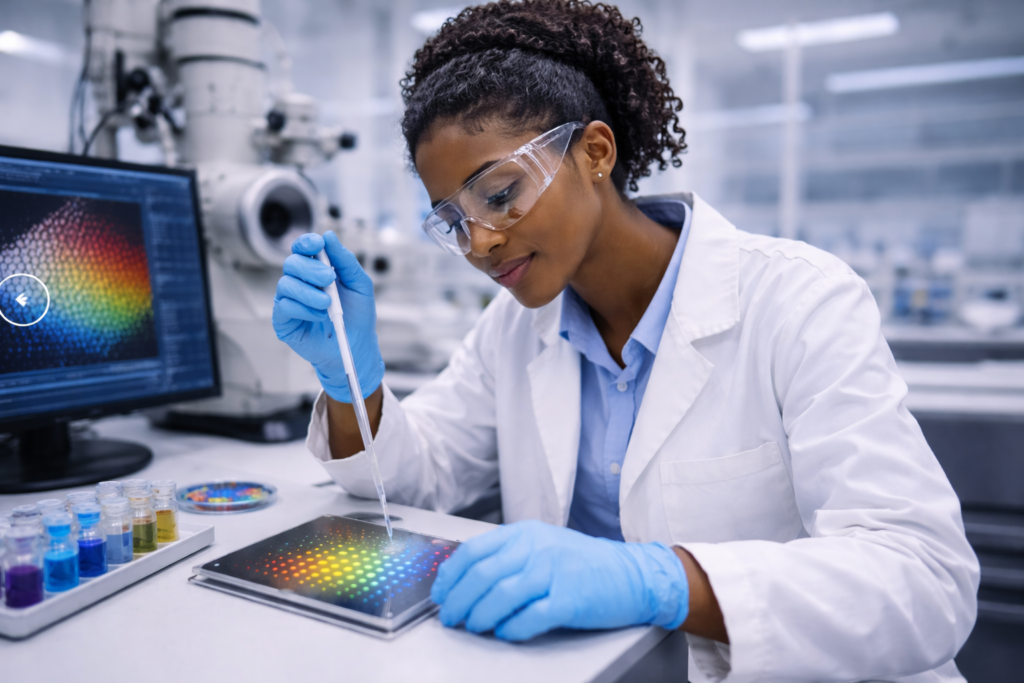
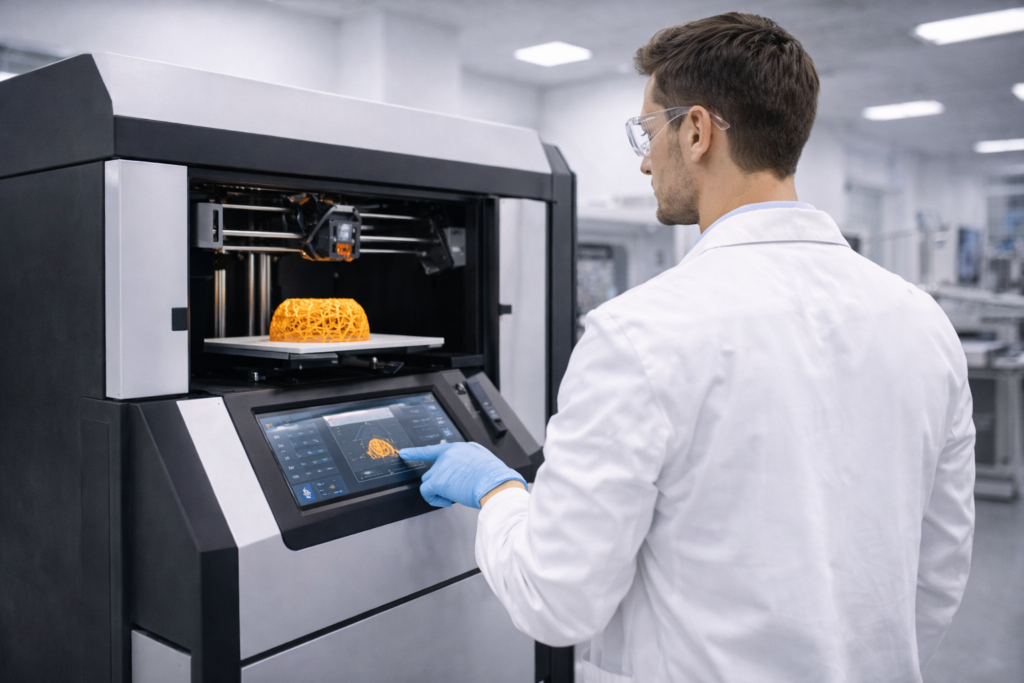


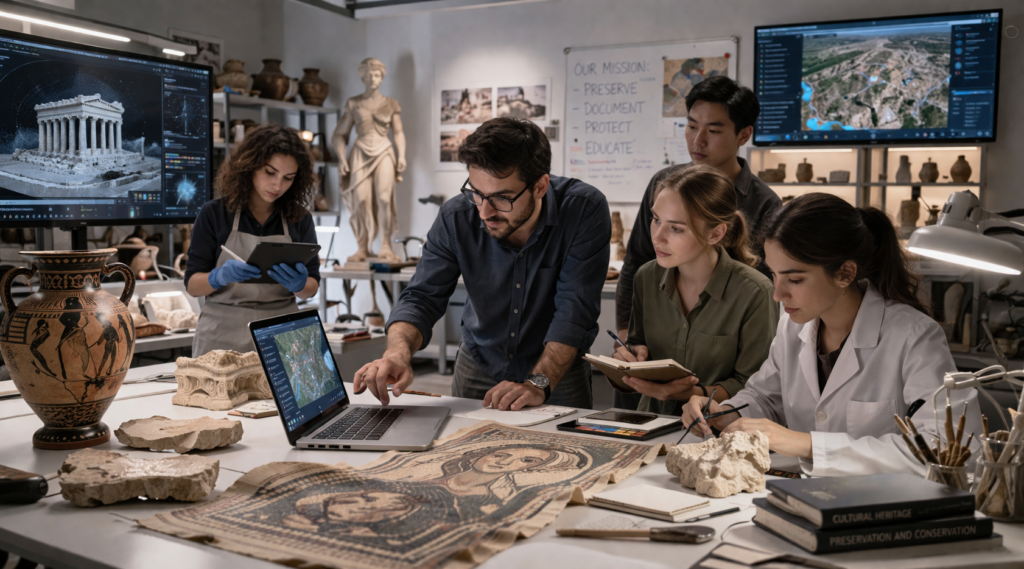

A leading university in Europe
Study at the largest university in Greece
You become part of a large academic community of students, researchers and faculty across many scientific disciplines.
A university with strong research activity
Your studies take place in an environment where teaching is closely connected with scientific research and innovation.
A degree recognised across Europe
Your qualification follows the European Higher Education framework, supporting academic mobility and further studies across European universities.
An international academic environment
You study in a university connected with international partners, research networks and exchange opportunities across Europe and beyond.


Set along the Aegean Sea, Thessaloniki is one of Greece’s most dynamic student cities and home to more than one million people in its wider metropolitan area. Its Mediterranean character shapes everyday life — open public spaces, lively neighbourhoods, and a culture rooted in tradition and hospitality. Students quickly become part of this environment, where academic life and the life of the city naturally connect. Studying here means joining an active student community while enjoying a city that encourages social interaction, cultural exploration, and a healthy seaside lifestyle
Aristotle University’s Chemistry School named Best in Greece (2025)
Chemistry Faculty at AU among the World’s Top 0.5% (ScholarGPS) and Top 2% (Elsevier–Stanford)
Archaeological Materials Science through Erasmus Mundus
Aristotle Racing Team has emerged as a powerhouse of innovation and excellence
The School of Chemistry at Aristotle University has actively contributed to multiple ESA space missions
Admission
requirements
•High-school diploma from a recognised foreign secondary school in an EU member state or a third country
• Successful completion of secondary education with subjects including Mathematics, Physics and Chemistry
• English language proficiency of at least B2 level from a recognised examination body
• Submission of a complete application file with supporting documents
• Participation in an online oral interview conducted by the Program Committee
• Evaluation of the applicant’s academic background and application file by the Program Committee
Tuition fees and detailed admission requirements are available at the Program’s website.
Necessary
documents
• Studies application form available on the Program website
• Copy of ID card or passport
• High-school transcript of the final year of studies (with official English translation)
• Detailed grades of all subjects of the final year of high school, confirming successful examination in Mathematics, Physics and Chemistry
• Certificate of English language proficiency (minimum B2 level)
• Motivation letter (up to 500 words) describing the applicant’s interest in science and future goals
• Curriculum Vitae (in English) including studies, distinctions or relevant activities
Consult on the Program’s website for the documents you need to submit.
If you are interested in physics, chemistry and advanced materials, the Materials Science and Engineering program at Aristotle University of Thessaloniki welcomes you to explore a field that shapes modern technologies and industries.
