Medicine
Train as a doctor.
Build clinical excellence.
Practise medicine globally.
The Medicine Programme at Aristotle University offers a comprehensive medical education grounded in science, clinical practice, and ethical responsibility preparing graduates to enter the medical profession worldwide from the moment they graduate.
(Aristotle)
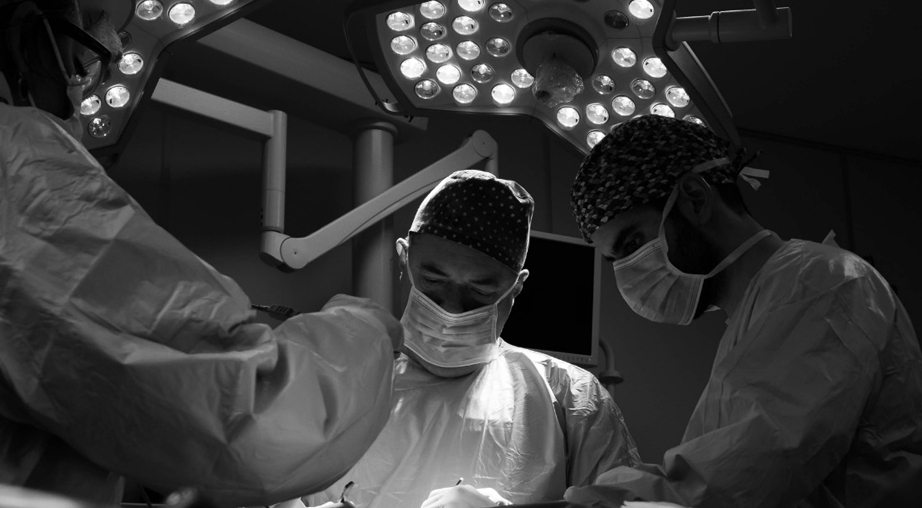
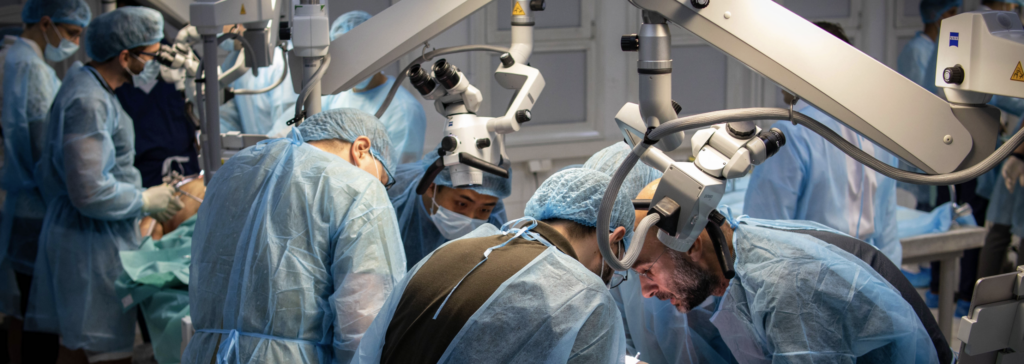
Medical excellence is built through consistency, responsibility, and exposure to real clinical environments. At Aristotle University School of Medicine, quality is not taught theoretically it is practised daily, across laboratories, lecture halls, and hospital wards.
The School of Medicine of Aristotle University is the largest medical school within Greece’s largest public university and one of the most established in Southeast Europe.
Since 1942, more than 30,000 graduates have pursued medical careers worldwide, actively contributing to healthcare systems, medical research, and innovation. Students study within a large academic and clinical ecosystem, surrounded by experienced educators, physicians, and medical scientists.
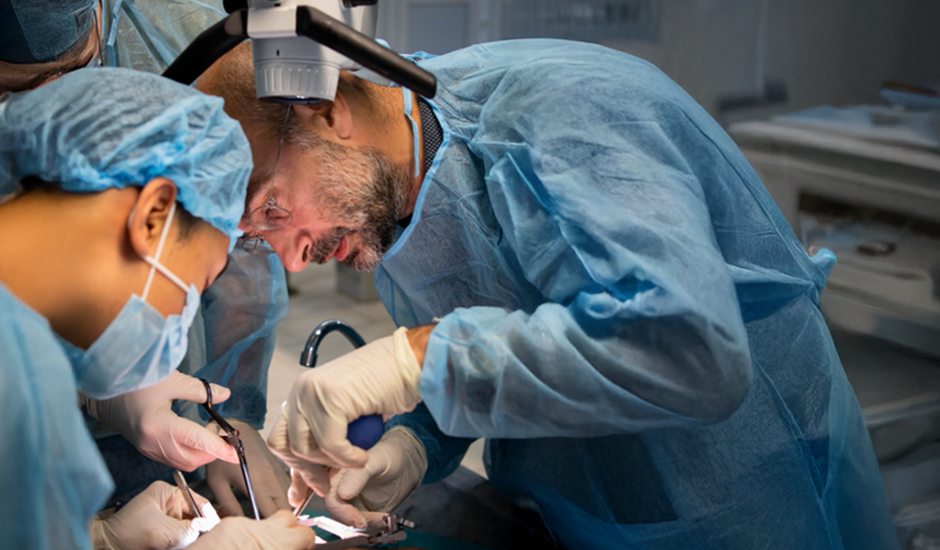
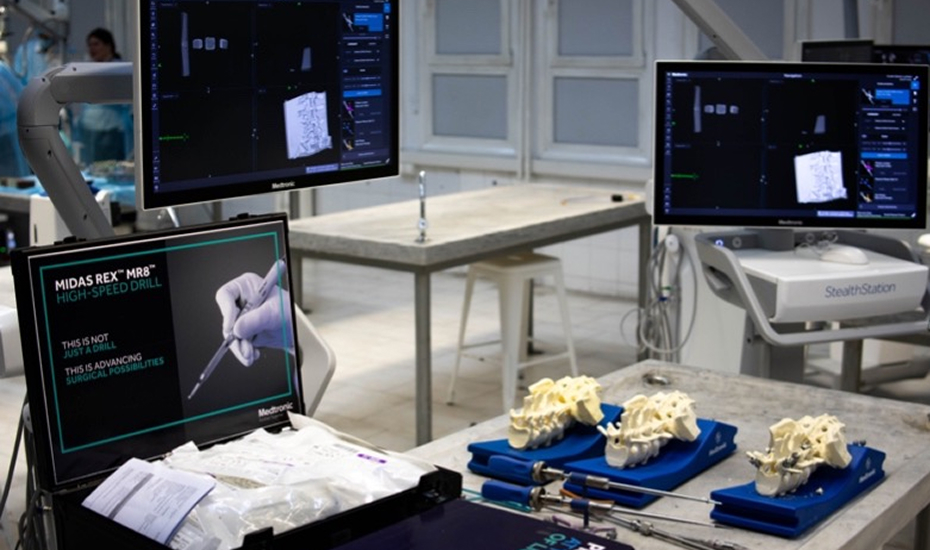
The B.MED programme is designed to educate medical students according to the highest scientific standards, while embedding the ethical values that govern medical practice.
From the early semesters, students are trained to think scientifically, act clinically, and develop responsibility toward patients, society, and the medical profession. The programme balances biomedical knowledge, clinical reasoning, and patient-centred care throughout its structure.
A comprehensive foundation in medical sciences
During the early years of the programme, students build a strong biomedical and scientific foundation.
In later semesters, knowledge becomes increasingly clinical, applied, and patient-centred through structured clinical training and rotations.
Clinical skills are shaped from the first semesters and gradually developed through laboratory training, supervised patient contact, and clinical observation. Clinical rotations take place at the University Hospital of Aristotle University of Thessaloniki and six additional affiliated hospitals across the city, ensuring broad and diverse clinical exposure.
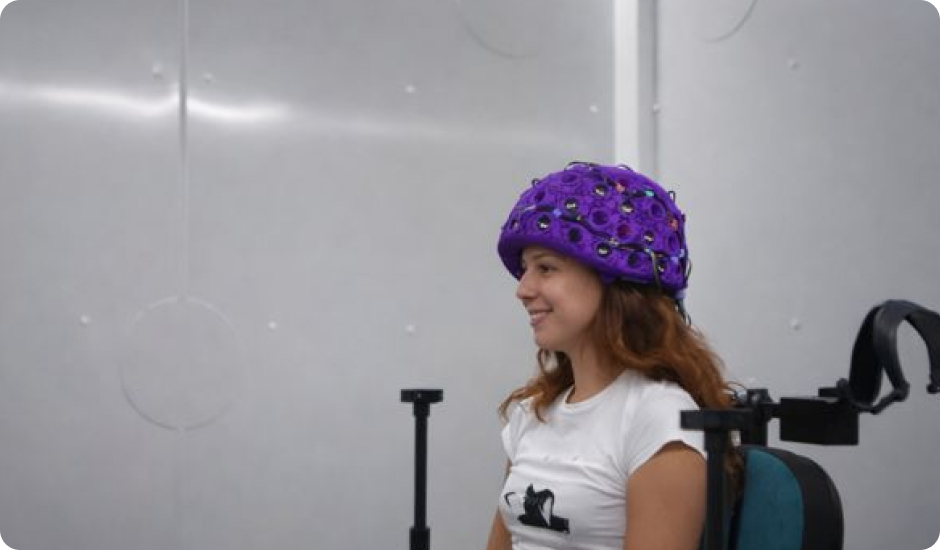

Upon graduation, B.MED graduates are eligible to pursue medical careers internationally, subject to local licensing requirements. The programme provides a strong foundation for residency training, medical specialisation, research careers, and academic medicine worldwide.
Aristotle University of Thessaloniki is one of the largest public universities in Southeast Europe, combining academic tradition, research strength, and extensive hospital infrastructure. Its School of Medicine offers scale, credibility, and long-standing experience in medical education within a public university framework recognised for quality and integrity.


Thessaloniki offers a vibrant and affordable student environment,
a strong academic culture, and easy access to European and Mediterranean networks.
It is a city where legal studies, public life, and everyday experience intersect.
Welcome Class 2025-2026!
Georgios Tsoulfas admitted into American College of Surgeons Academy of Master Surgeon Educators®
Highlights from the 4th CEORLHNS Academy Course in Thessaloniki
Groundbreaking Epicardial Ablation for Ventricular Tachycardia Performed at Hippokration General Hospital
3rd International Conference of the Hellenic Medical Diaspora – AMF
Admission
requirements
Foreign citizens who have attended at least the last two years
of high school in a foreign country (not Greece).
High School Graduation Certificate or International Baccalaureate (IB).
Certificate of competency in English.
Personal statement.
Interview.
Admission Test (60 multiple-choice questions in Biology, Chemistry, and reasoning). Applicants holding BMAT, Meditest-EU, or A-Levels (minimum grades AAB in relevant subjects) are exempt from the Admission Test.
Necessary
documents
Identification card (EU countries) or valid passport.
High School Graduation Diploma (copy of original document with official English translation).
Certificate confirming eligibility for higher education in the country of graduation.
Academic transcript of the final two years (copy with official English translation).
Proof of English language proficiency (IELTS / TOEFL or equivalent).
Personal statement.
Entrance exam results (if applicable).
Curriculum Vitae (in English).
If you are interested in human biology, disease, and patient care, and want a medical degree grounded in scientific evidence, clinical practice, and ethical responsibility, the B.MED Medicine Programme at Aristotle University of Thessaloniki offers a strong and internationally oriented pathway into the medical profession.
We use cookies to improve your experience on our site. By using our site, you consent to cookies.
Manage your cookie preferences below:
Essential cookies enable basic functions and are necessary for the proper function of the website.
These cookies are needed for adding comments on this website.
Google Tag Manager simplifies the management of marketing tags on your website without code changes.
Statistics cookies collect information anonymously. This information helps us understand how visitors use our website.
Google Analytics is a powerful tool that tracks and analyzes website traffic for informed marketing decisions.
Service URL: policies.google.com (opens in a new window)
