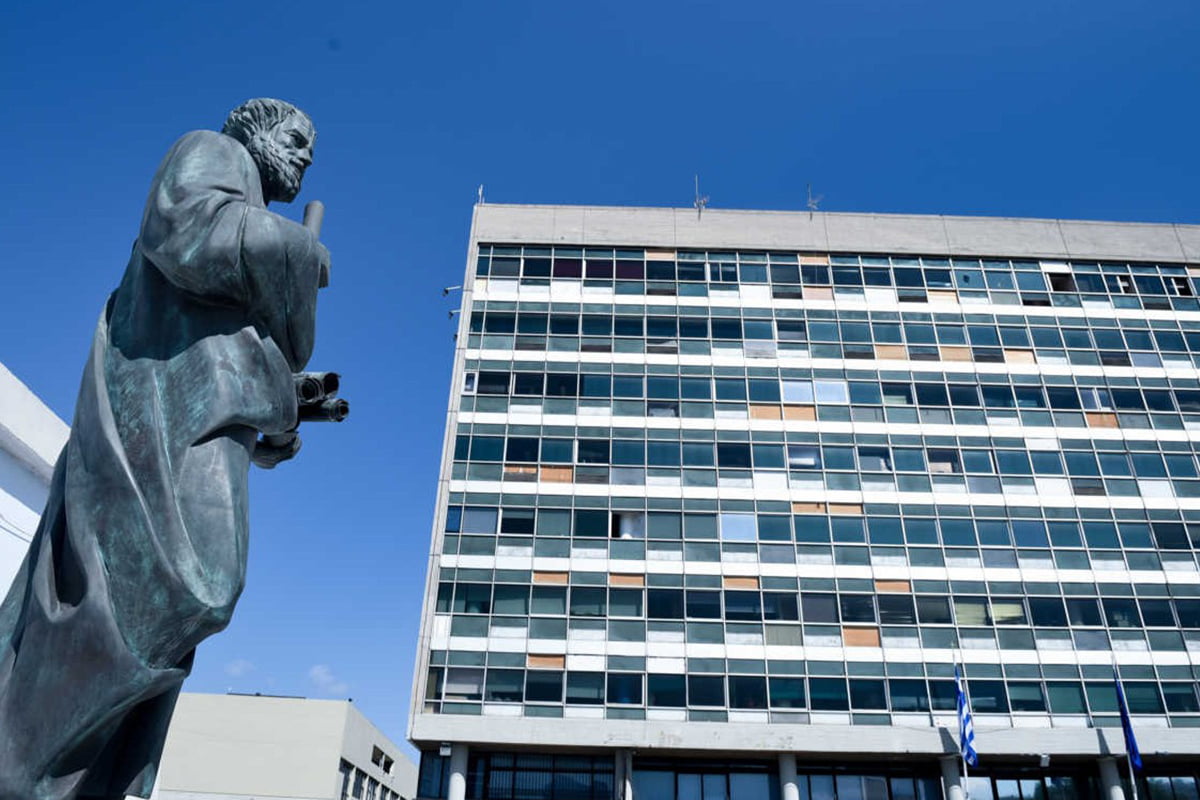
Named after a great philosopher

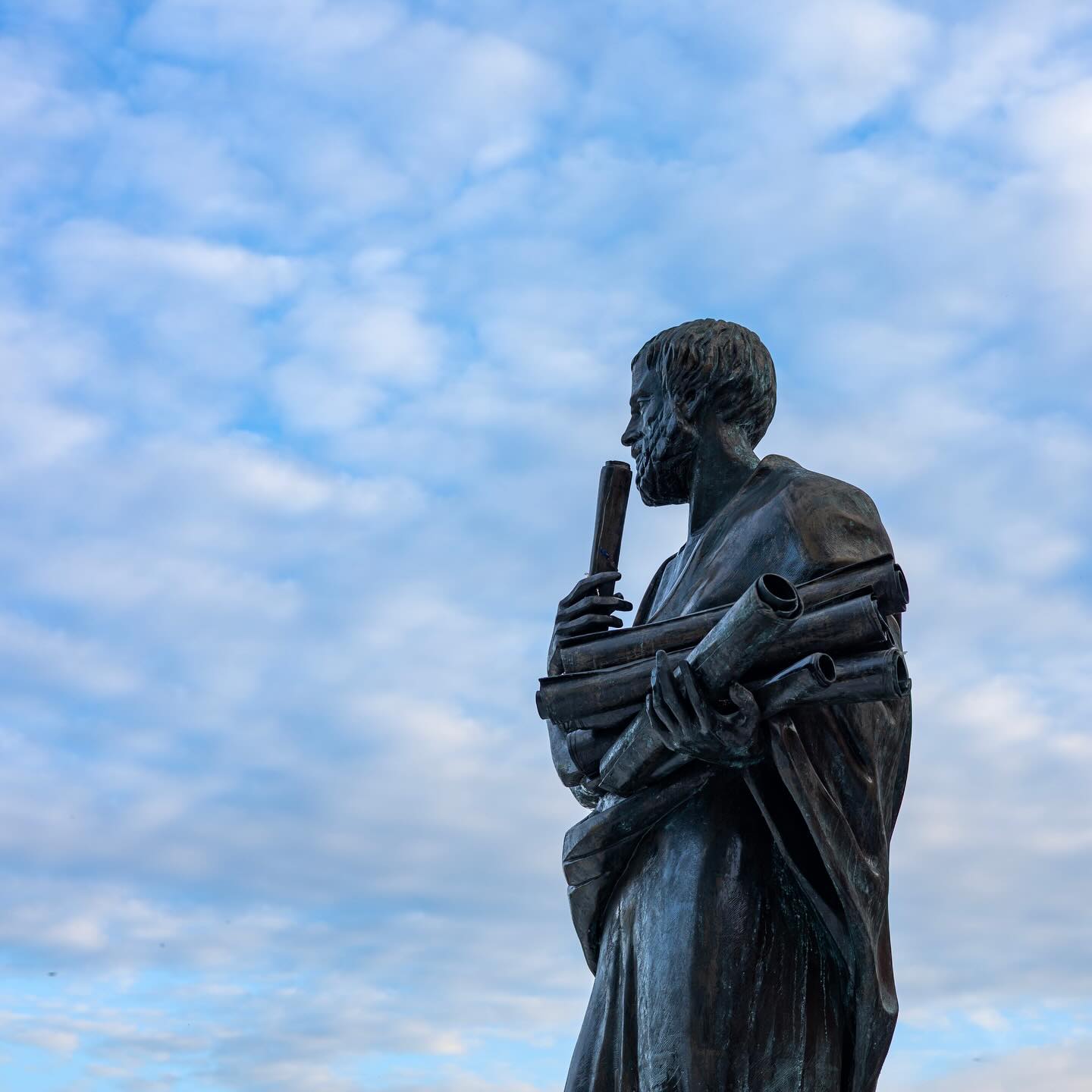
Founder of logic and one of the earliest polymaths, Aristotle never settled for what was considered known in his time. Through his work that spans philosophy, biology, physics, ethics, politics, and psychology, he challenged ideas and observed reality with a critical approach that shaped the foundations of science as we know it today.
At AU, we proudly carry more than Aristotle’s name. Ηis spirit defines how we learn and teach – we value critical thinking, interdisciplinary exploration, and education that prepares students to engage with complex, real-world challenges and contribute meaningfully to society.  

A university across many fields

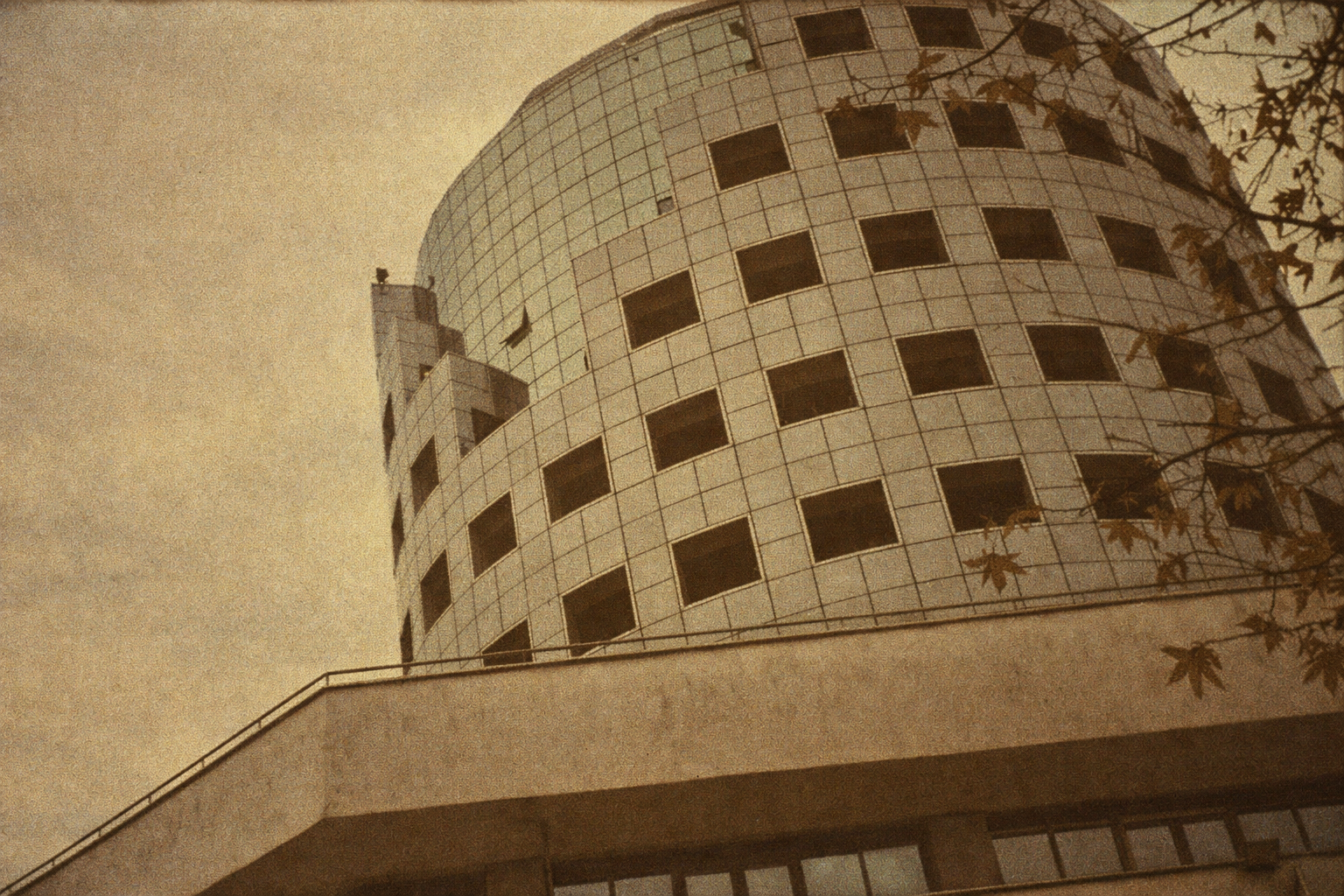
With 11 faculties and 41 schools, AU is the largest university in Greece and one of the largest universities in Europe, offering a broad range of study fields across health disciplines, STEM, humanities, and social sciences. This breadth creates an academic environment where disciplines actively inform and shape one another through teaching, research, and applied learning. Our students benefit from perspectives that cross fields, gaining a deeper understanding of complex problems and the ability to think beyond a single discipline. 

A wide spectrum of disciplines

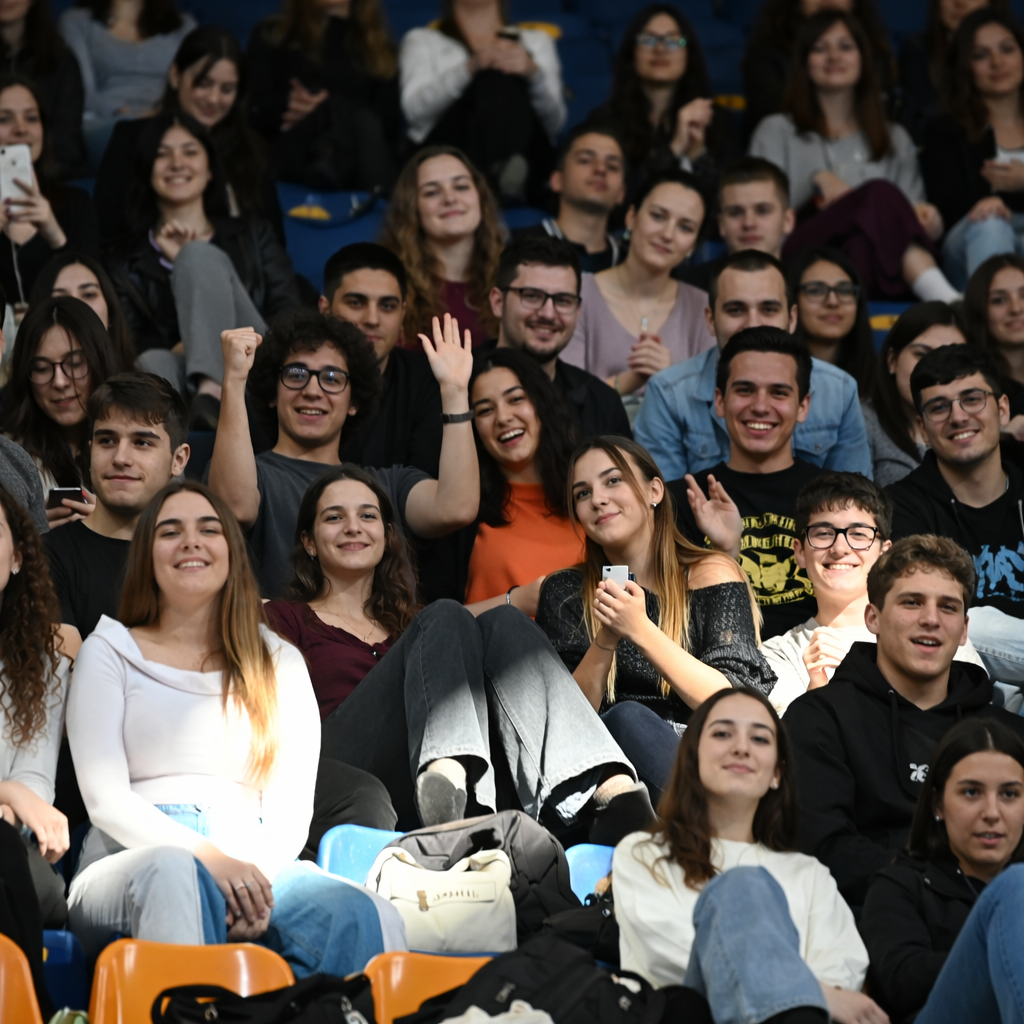
Students study within a university where disciplines are studied side by side and frequently intersect—across health sciences, STEM, humanities, social sciences and the arts. This breadth supports learning that draws on multiple perspectives, helping students connect methods, questions and ways of thinking from different fields. The result is an academic experience that encourages critical reasoning, collaboration and a deeper understanding of complex real-world challenges.

Advanced laboratories
and research

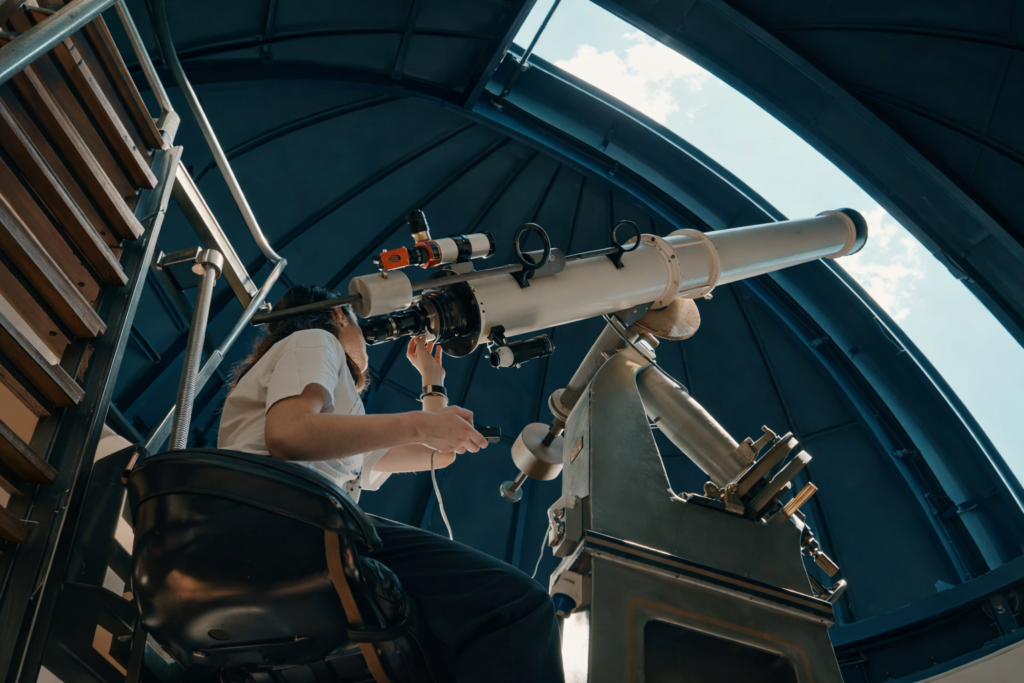
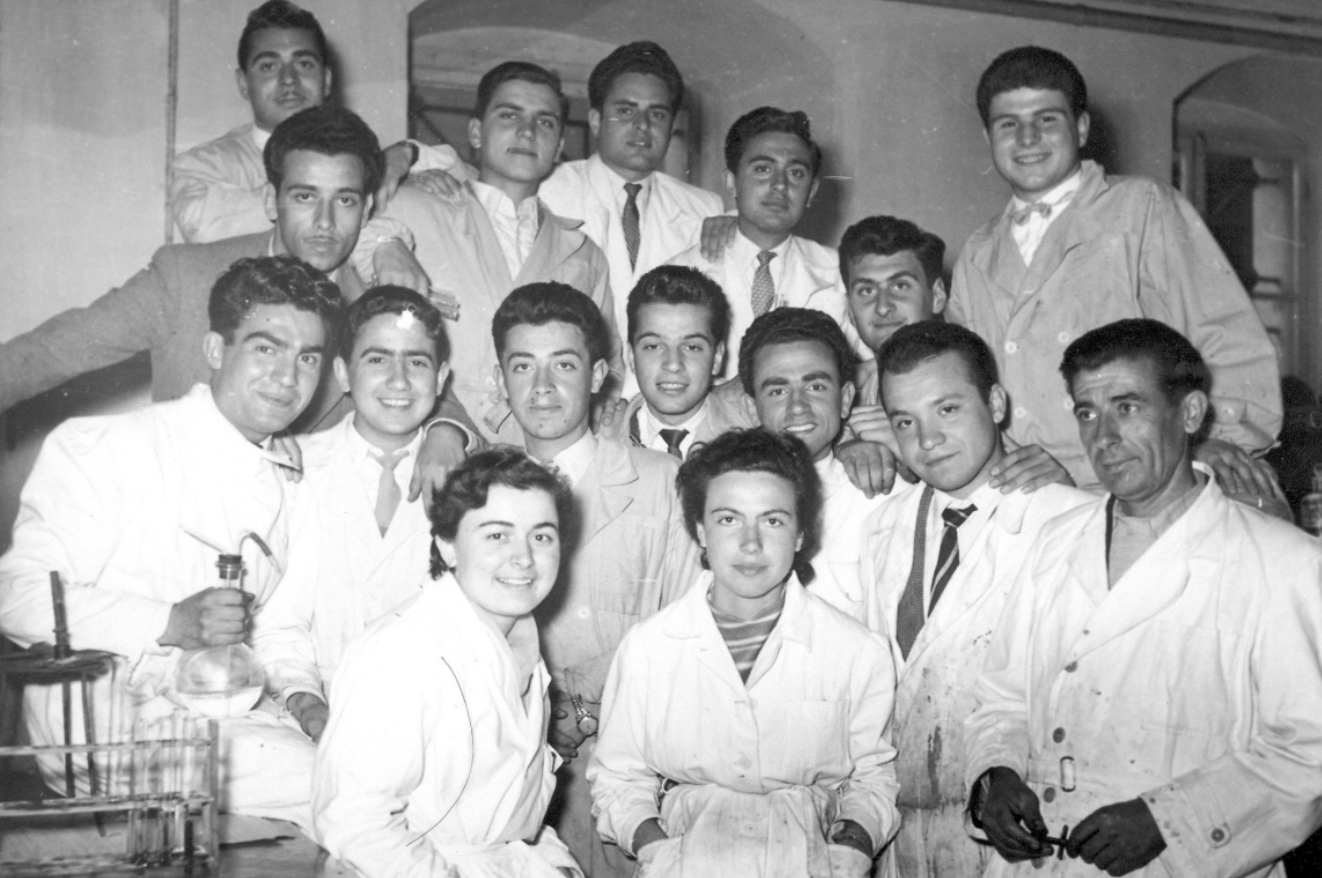
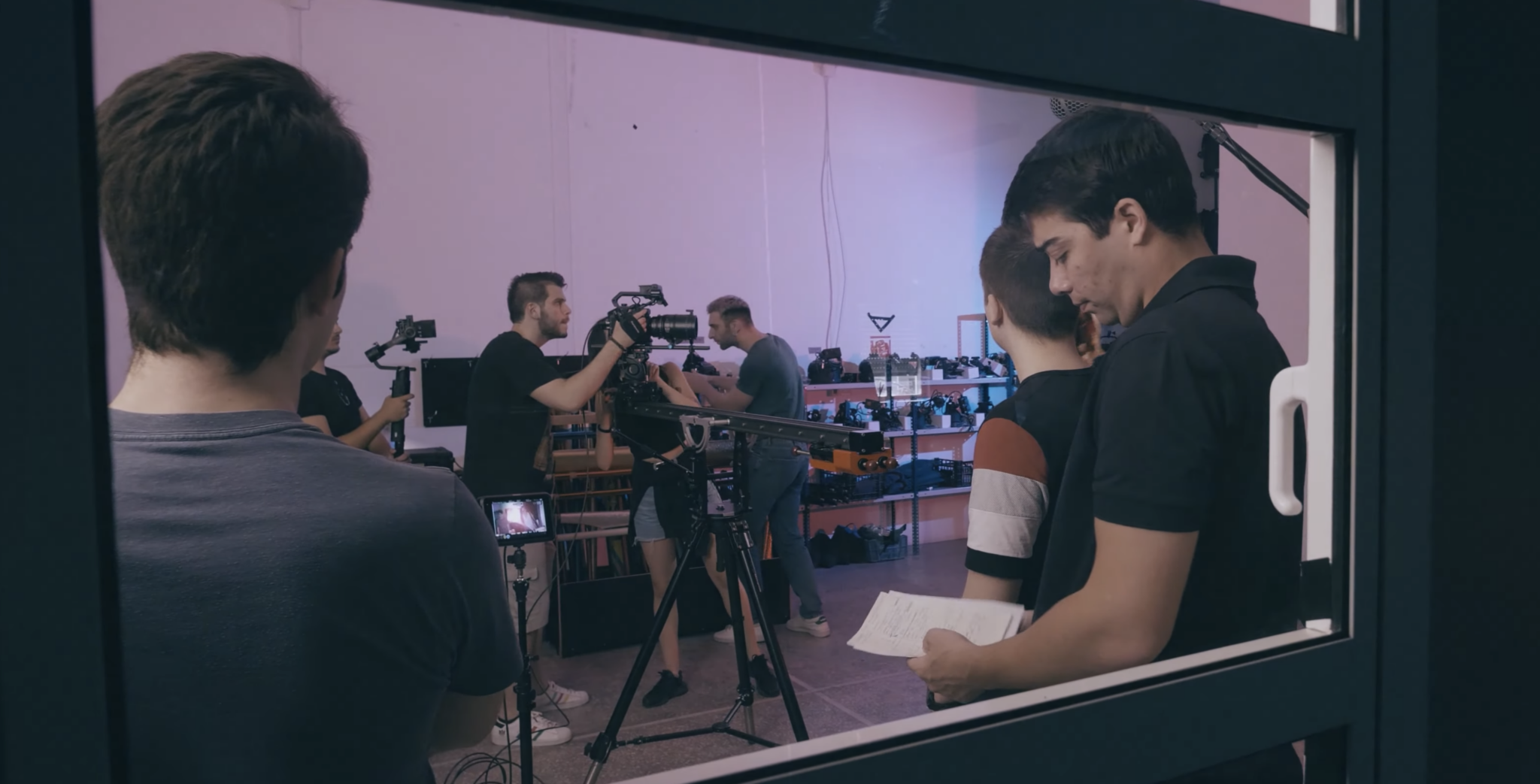
Aristotle University offers extensive laboratory and research infrastructure across a wide range of scientific fields. Students and researchers work with modern experimental facilities, analytical tools and research environments that support both fundamental and applied research. This experience helps students develop technical skills, strong research methods and confidence in working with complex systems, data and real-world research questions. Our university fosters an enhanced digital environment, reflected in its teaching practices and assessment methods, including the use of tablet-based exams.

100

Years

78840

Undergraduate students

11105

Postgraduate students

11

Faculties

41

Schools

1000+

Faculty members engaged in international collaborations

EPICUR

European
University Alliance

1600

Erasmus+

+
185

Bilateral agreements
worldwide

4681

PhD candidates

1000

Incoming/ 1000 outgoing students annually

1599

Faculty staff

19000+

Students abroad via Erasmus+

70

Educational organisations 
& 15 student unions

€395,25
mn

Research funding
(2020–2025)

585

Teaching and research
staff members

Mobility as part
of the academic journey

Mobility is an integral part of academic life at AU for both students and teaching staff. With more than 1,600 agreements across Europe and 185 worldwide, the University supports semester-long study exchanges, training placements and research mobility opportunities that are integrated into degree programs. Each year, around 1,000 incoming and 1,000 outgoing students participate in international mobility through Erasmus+ and initiatives such as EPICUR, gaining academic experience across different institutions and cultural contexts.

Collaboration as part
of the academic mission

Academic collaboration at AU is embedded in research, teaching, and long-term institutional partnerships worldwide. More than 1,500 faculty members actively participate in cross-border research projects, joint teaching initiatives, and collaborations through 70 international organisations and academic networks. As a founding member of the EPICUR European University Alliance, AU contributes to a shared European academic ecosystem that promotes joint programs, innovative teaching models, and sustained institutional cooperation. The University also hosts UNESCO Chairs and participates in global academic networks, extending its academic impact beyond national and European borders.

100 years is a starting point

“One hundred years is not a milestone of completion, but a starting point. Among more than 50,000 universities worldwide, the challenge today is not simply to exist, but to stand among the best — to build on experience, to innovate through research, and to offer education that responds to the needs of our time.”

“Aristotle University has the scale, the people, and the academic depth to shape the future. Our responsibility is to look forward: to attract talented students from Greece and abroad, to strengthen international presence, and to prepare the next generation for a rapidly changing world.”

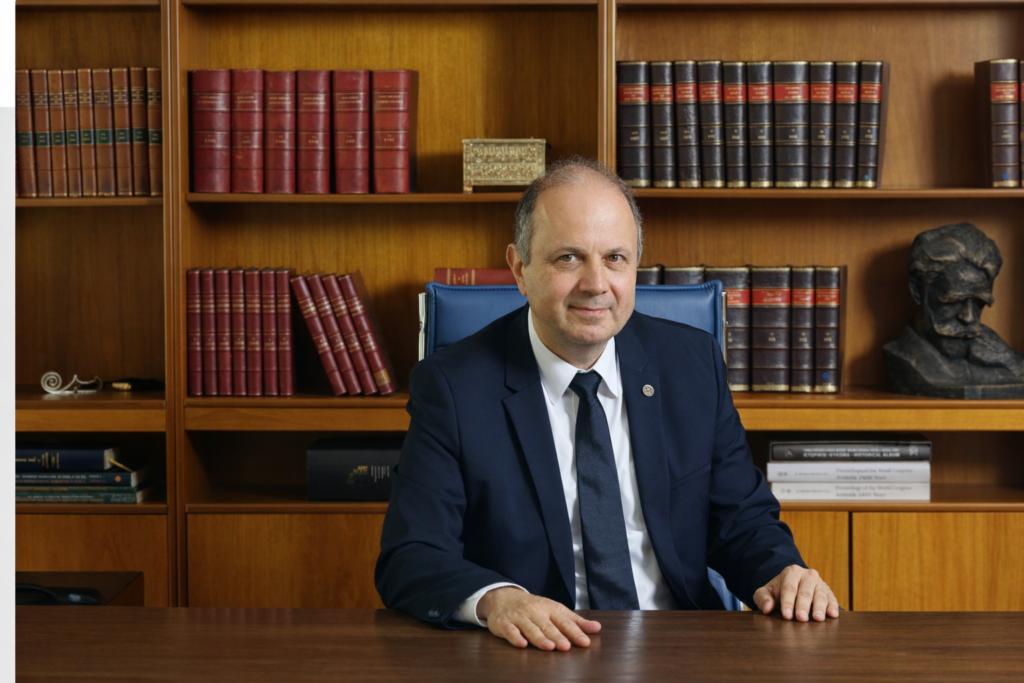
Kyriakos Anastasiadis, Rector of AU

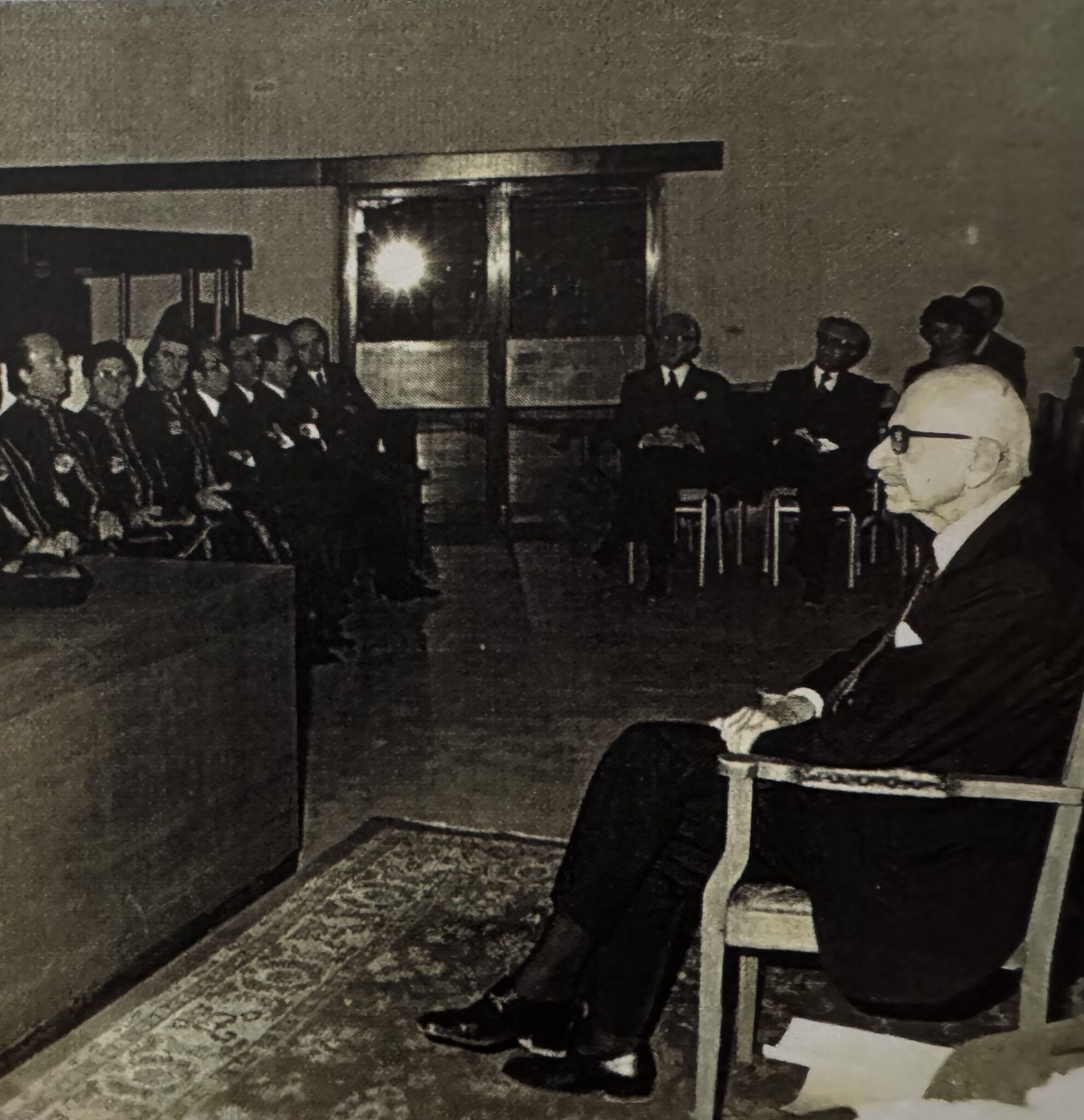
1924

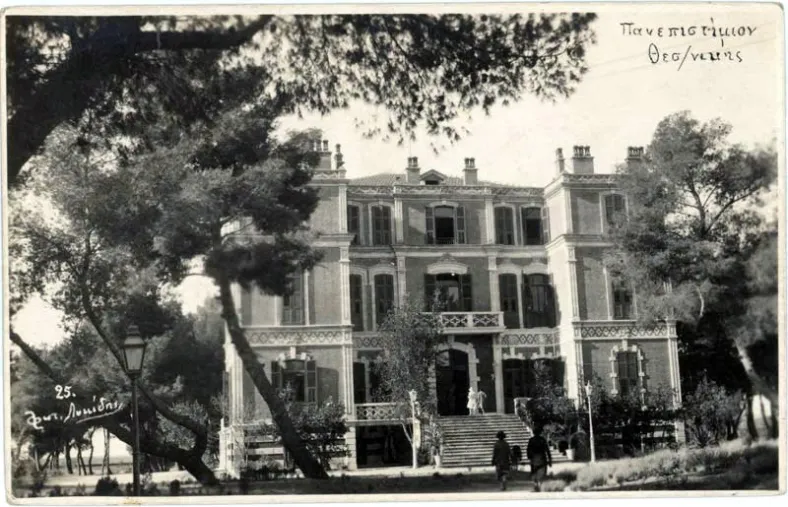
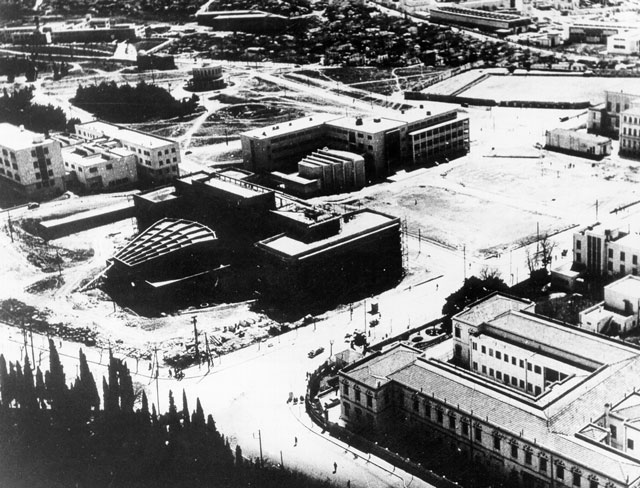
Greek Prime Minister Alexandros Papanastasiou adopts the initiative of Eleftherios Venizelos for a new university in the northern Greek regions a few years after they were liberated from the Ottomans.

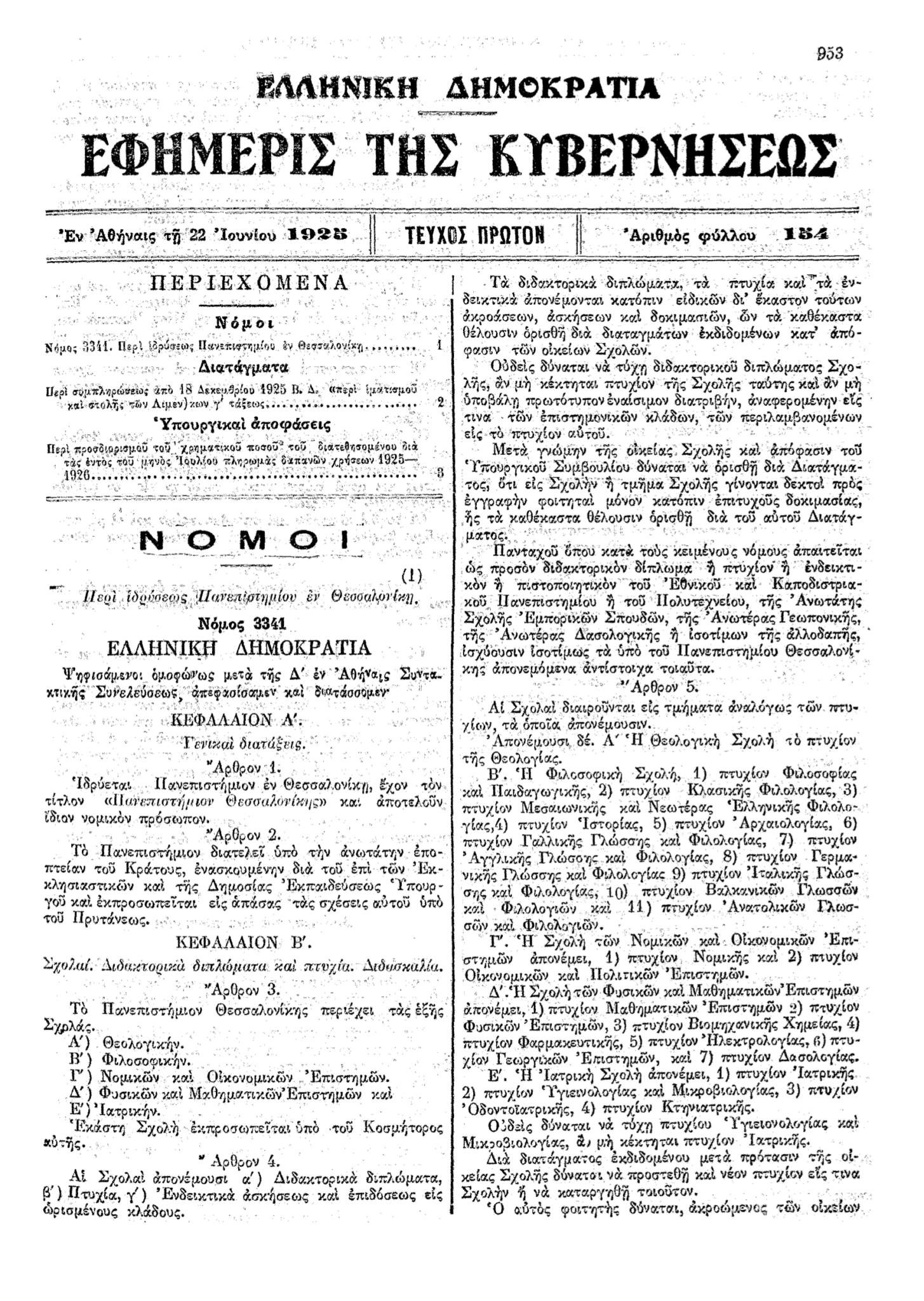
1925

The University of Thessaloniki becomes Greece’s second ever university.

1926

The University begins its academic operations with the Faculty of Philosophy.

1927

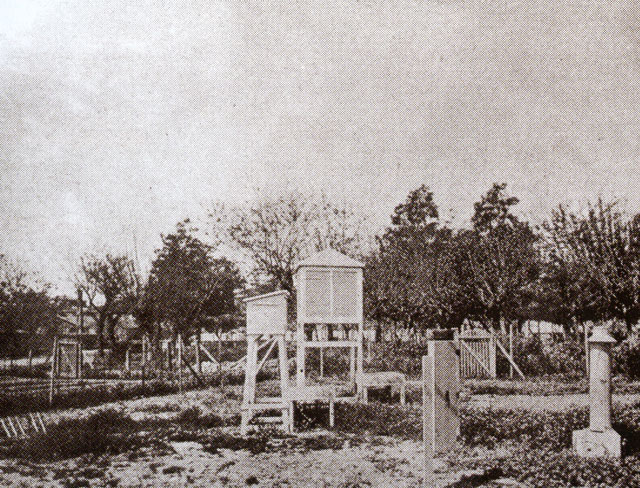
The School of Natural Sciences starts enrolling students. The Department of Forestry is transferred from Athens, the Greek capital, to the newly founded University of Thessaloniki and operates as a department of the School of Natural Sciences.

1928

The Schools of Mathematics and Physics begin their operations as part of the Faculty of Science.

1929

The Faculty of Law and Economics is added.

1942

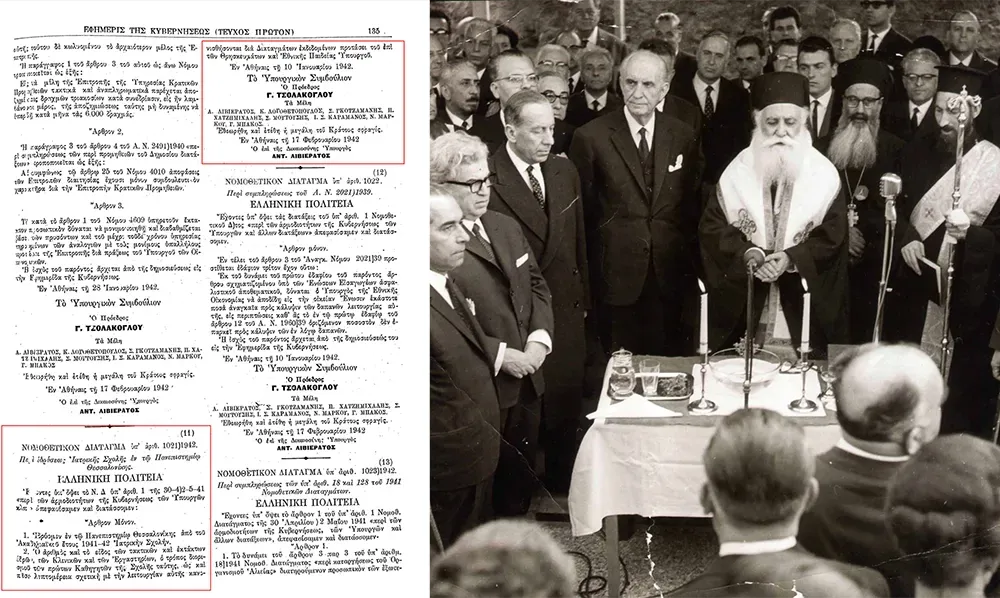
The Medical School and the Faculty of Theology begin their operations.

1943

Establishment of the School of Chemistry.

1951

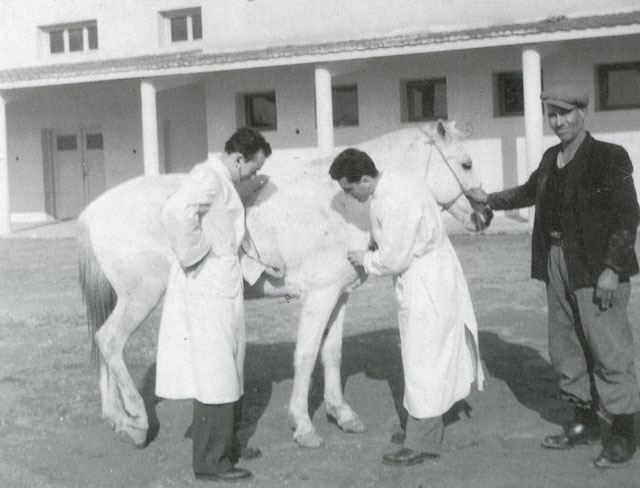
Establishment of the School of Veterinary Medicine.

1954

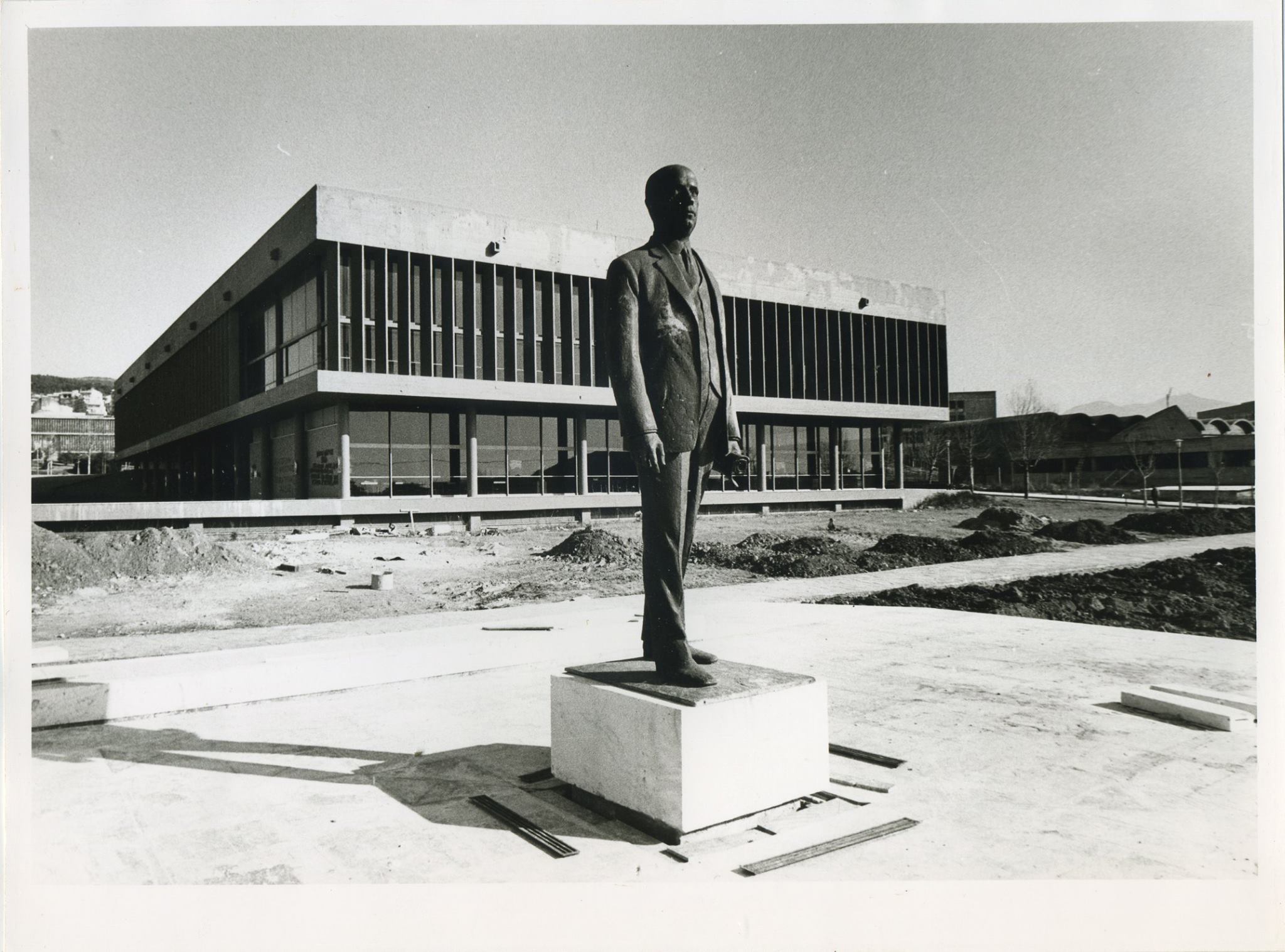
The University of Thessaloniki is renamed Aristotle University of Thessaloniki in honour of the great Greek philosopher, Aristotle.

1955

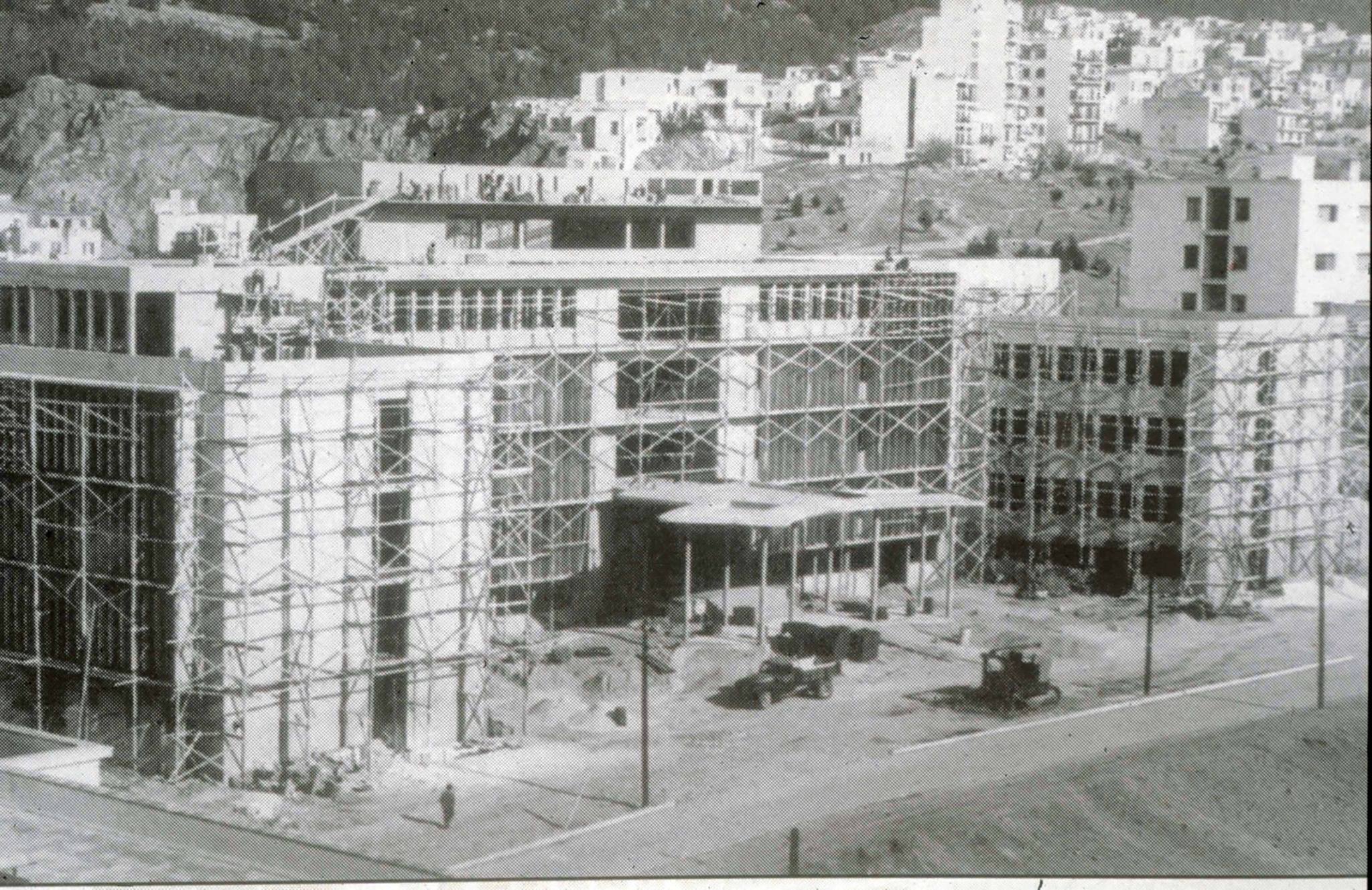
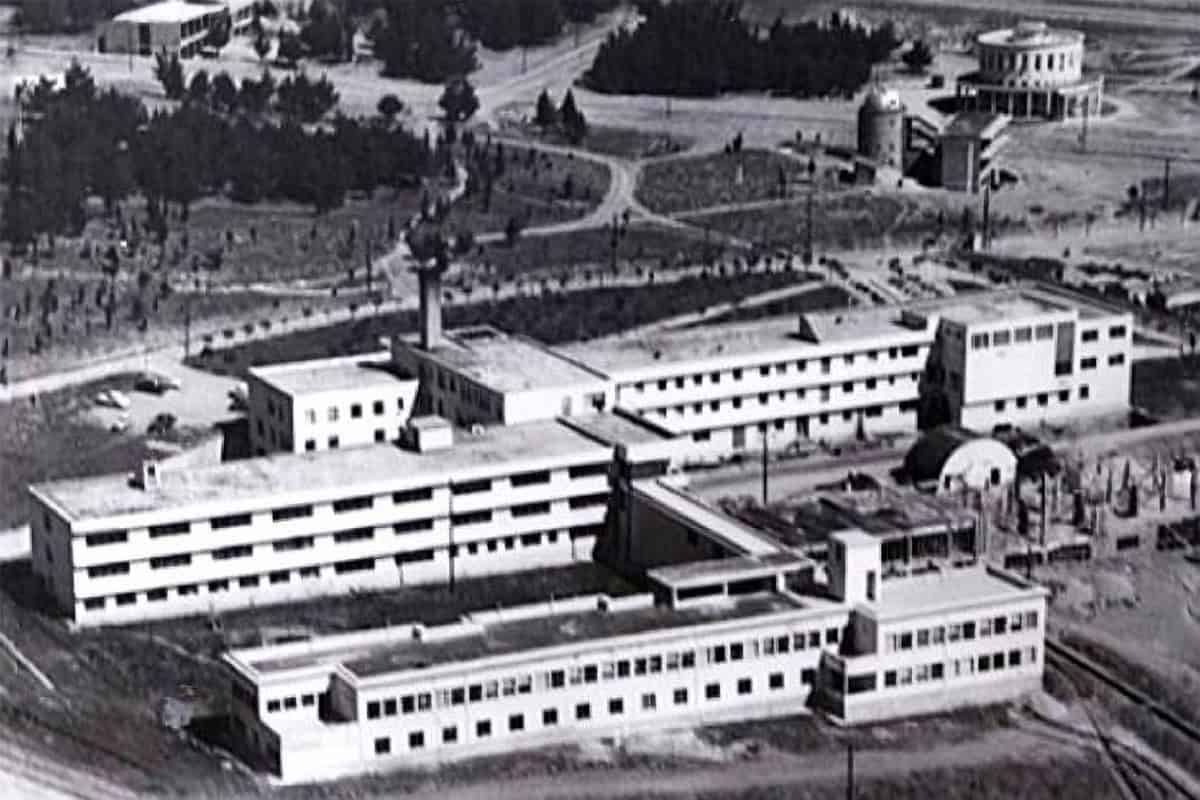
Establishment of the Faculty of Engineering and the School of Pharmacy.

1959

Dentistry is introduced as a department of the Medical School. It will become independent School in 1971.

1968

The first kidney transplant in Greece is performed at AHEPA University Hospital in Thessaloniki, soon to be followed by the first heart transplant in the country.

1979

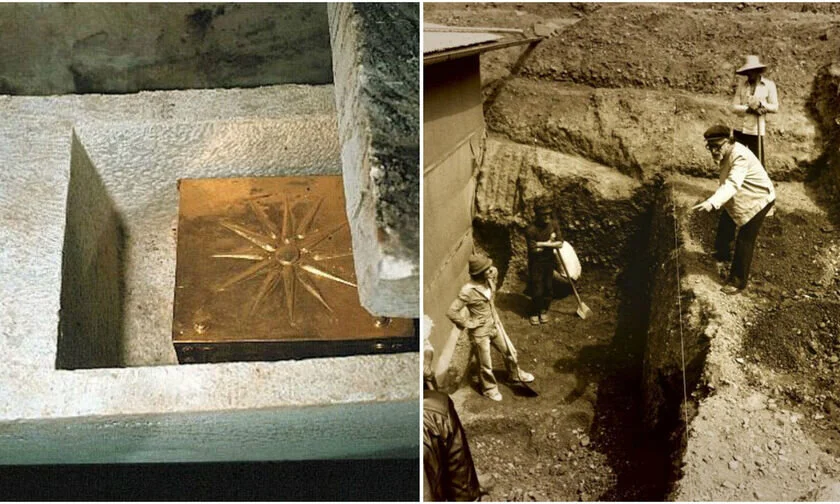
Professor Manolis Andronikos discovers the Royal Tombs of Vergina, one of the century’s greatest archaeological discoveries; Aristotle University’s international prestige in archaeology and the humanities is undisputed.

1981

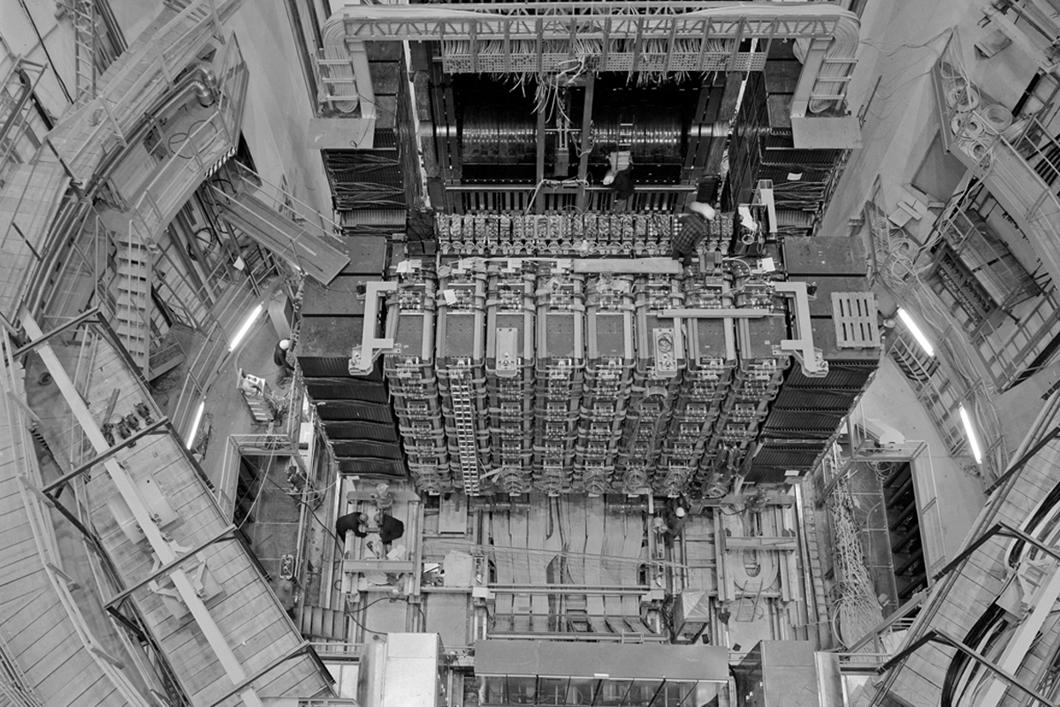
Research groups from the School of Physics participate in high-energy physics experiments at CERN, marking AU’s involvement in major international research infrastructures.

1982

Major reorganization of Schools and Departments.

1983

The new Faculty of Education is followed by the new School of Fine Arts (1984).

1991

Establishment of the School of Journalism and Mass Media Studies.

2004

Establishment of the Department of Film Studies and the Department of Spatial Planning and Development Engineering.

2014

AU is ranked among the top 100 universities worldwide in the Times Higher Education Young University Rankings.

2020

AU participates in major Horizon 2020 research projects and becomes a member of the European Universities Initiative through the EPICUR Alliance, strengthening its European academic integration.

2021

Launch of the Aristotle University School of Medicine (AUSoM), the first English-taught undergraduate program offered by a public university in Greece, marking a milestone in the global outlook of Greek higher education.

2025

AU celebrates its Centennial Anniversary, standing as the largest university in Greece, with nearly 90,000 students and more than 1,500 international partnerships worldwide.

Distinguished Personalities

Top-tier! 40 AU faculty members and scientists featured in Stanford’s 2025 list of the world’s top 2% researchers! 

AU Legal Alumni Anastasia Papadopoulou appointed New President of the Supreme Civil and Criminal Court of Greece

Archaeology: 5th Meeting of the Association for Ground Stone Tools Research hosted at AU

Darcus Laurie, Professor in the Archaeology department at Simon Fraser University

On site! Dr. Ilias Gkotsikas from our Lab of of Digital Applications in Archaeological Documentation and students in action. 

ART won first place in Greek and Croatian motorsport competitions.
AU’s Gravitational Waves Research Team achieved a world first by discovering 8 new gravitational waves using AI-based analysis of LIGO data.
Dr Konstantina Eleni Karakasi performed the first liver transplant by a female surgeon in Greece at AU. (under the guidance of Professor Georgios Tsoulfas.)
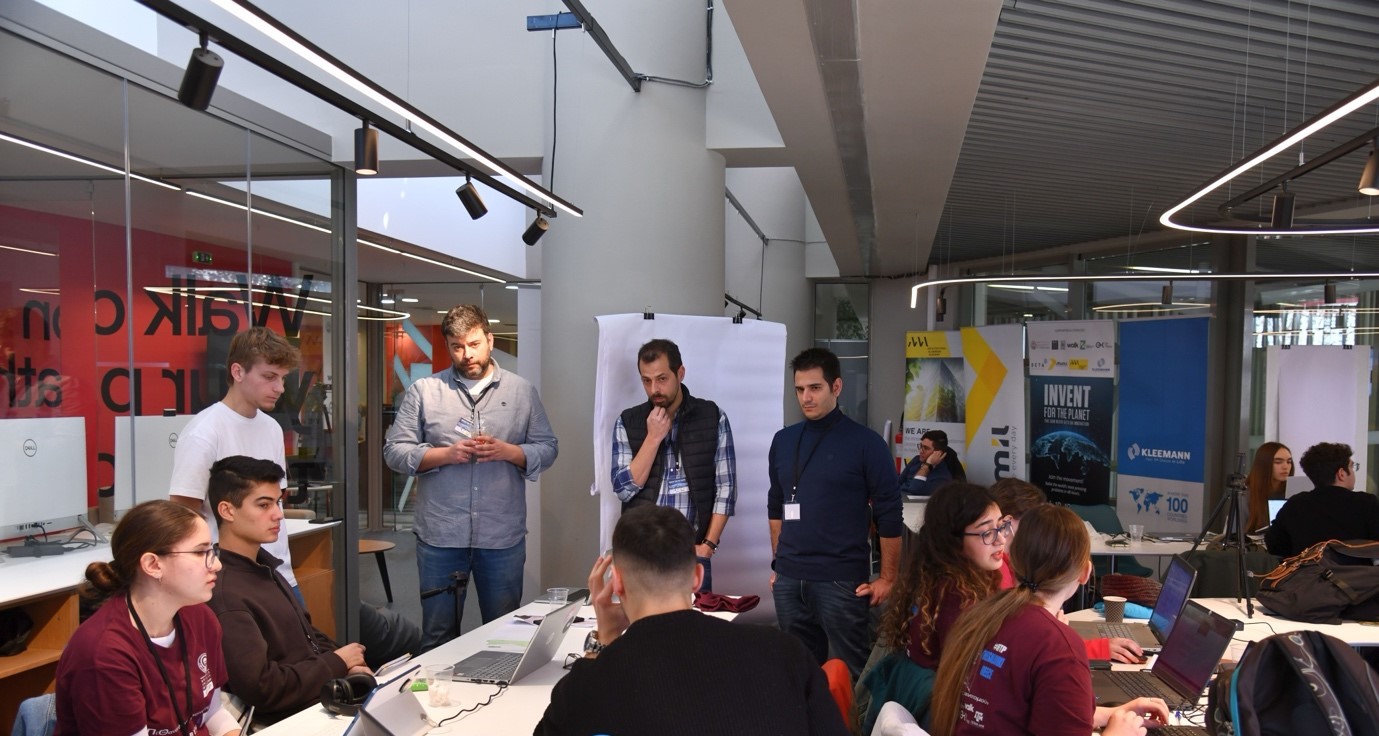
WALK Open Innovation Acceleration Program strengthened research market collaboration at AU.